
Slow-Speed Chase
Off the coast of Hawai‘i, two well-armored invertebrates face off.
Photograph by David Fleetham

Across the sandy seafloor off the coast of Hawai‘i, a high-speed chase unfolds—or at least, what amounts to high speed for an echinoderm and a gastropod. The prey, a red pencil urchin (Heterocentrotus mamillatus), is ready for battle with its coat of thick spines. The predator, a type of sea snail known as a horned helmet (Cassis cornuta), carries its own armor: a helmet-shaped shell that protects the mushy mollusk within.
The snail glides along the seafloor with deadly precision. The urchin tries to flee. Sea urchins usually move slowly and unpredictably—a jiggle to the left here, a creep to the right there, scraping up algae as they go. But research shows that an urchin’s rudimentary sensory system can “smell” the chemical signals of an approaching predator. After a whiff of sea snail, some urchin species will make a beeline for safety, revving their speed from 8 centimeters (3 inches) per minute to up to 15 centimeters, or just shy of 6 inches per minute.
“Both creatures are typically slow moving,” says David Fleetham, who photographed this pair off the island of Maui. “But what first caught my attention was the unusual sight of them seemingly racing across the sandy bottom.”
Unfortunately for red pencil urchins, which are about the size of a baseball, neither their spines nor their speed offers adequate protection against horned helmets, which can grow as big as a basketball. When the horned helmet gets close enough to strike, it rears up like a horse and slams down on its prey, then sinks its radula—an appendage that’s half tongue, half drill bit—through the urchin’s shell to reach the soft body within. Toxins quickly paralyze the urchin, and the snail then engulfs its meal, using its radula to suck out the soft bits and leave the spines behind.
“I often noticed piles of pencil urchin spines on the reef,” says Fleetham, “and now I finally understand their origin.”
Horned helmets have also been known to chomp down on crown-of-thorns (Acanthaster planci), a coral-eating sea star covered in venomous spines. An overabundance of these native sea stars threatens coral reefs across the Indo-Pacific, and some nations within the region prohibit people from harvesting horned helmets in hopes of keeping sea star populations in balance. But humans with a hankering for the mollusk’s meat or its beautiful shell regularly flout the law, selling horned helmets in public markets or souvenir shops in places like the Philippines and Indonesia.
Whether such activities hurt overall populations of the snails isn’t clear. What is certain is that horned helmets’ predilection for prickly prey plays an important role in keeping shallow, tropical marine ecosystems running as smoothly as a well-oiled engine in a high-speed chase. Or, in this case, a slow-speed chase.

Hi, I’m Dave, the executive director of bioGraphic. (And that’s my dog, Finn.) Thanks for taking the time to read this story.
Stories like this simply don’t get produced without financial support from readers like you. bioGraphic is not backed by a private company or owned by a billionaire. It’s an independent, nonprofit magazine. And one-quarter of our annual budget comes directly from reader donations.
We need your support more than ever, as governments slash funding for conservation and scientific research, placing even more ecosystems and wildlife at risk around the world. At bioGraphic, we’re steadfastly shining a light on the threats to our planet’s incredible biodiversity. And we’re showcasing the hard work of people bravely taking action to protect at-risk species.
bioGraphic publishes environmental reporting that you can’t find anywhere else: deeply researched, trustworthy stories that are also beautiful and captivating to read. We offer an antidote to reader apathy and doom-and-gloom news by revealing the wonders of the natural world and focusing on real solutions to big problems. When you finish a bioGraphic story, we want to leave you feeling informed, delighted, and inspired.
We don’t run ads or hide our stories behind a paywall. The readers who generously support bioGraphic allow our work to remain free for everyone.
Will you help us keep telling these crucial stories?

Authors

Related Articles
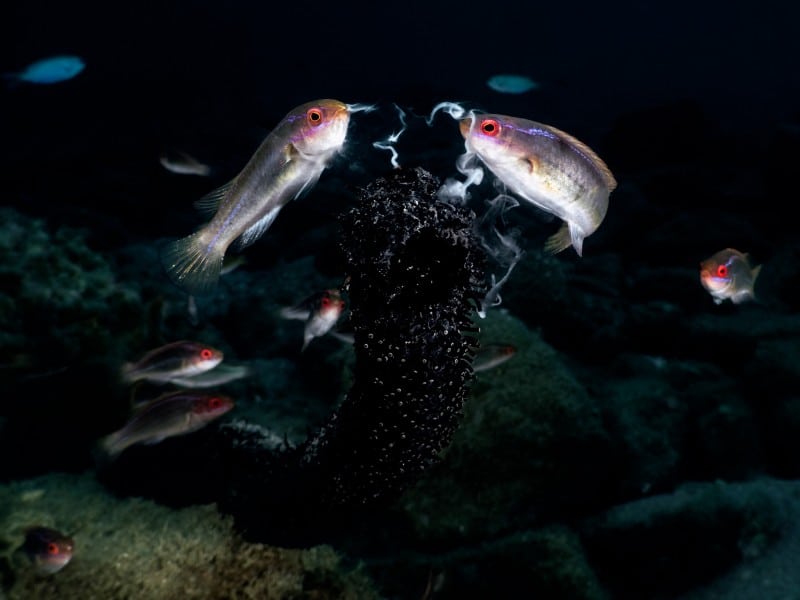
Milt Meal
Marine creatures will do almost anything for a meal—including feasting on the sperm and eggs of spawning invertebrates.
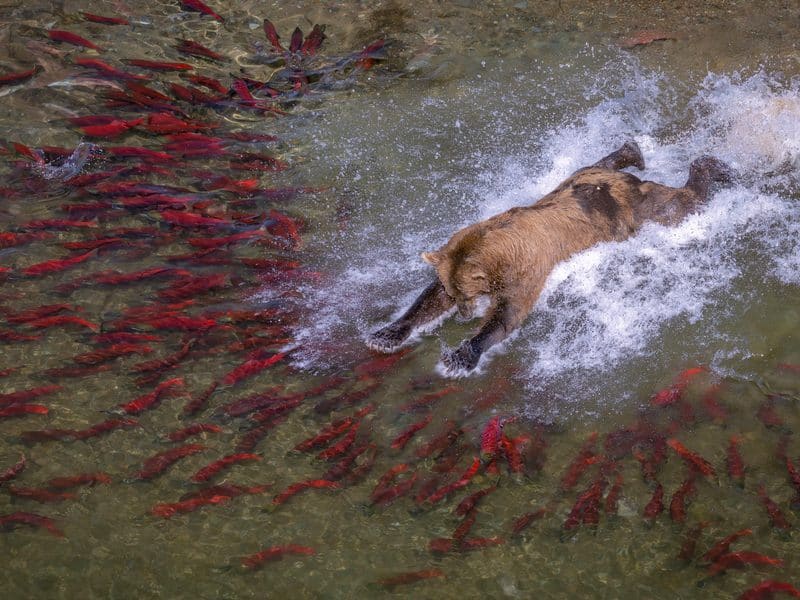
The Art of the Catch
To bulk up for winter hibernation, Alaska’s brown bears employ a range of techniques for snaring salmon.
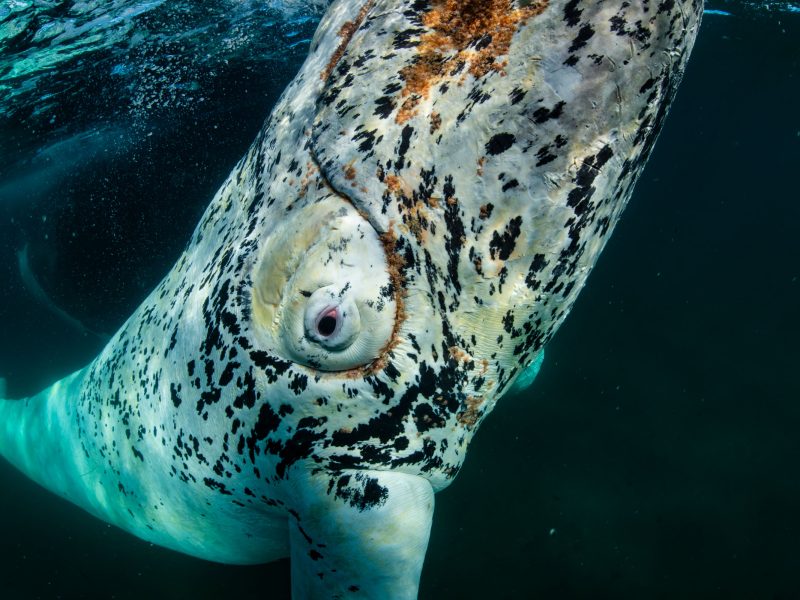
The Wonder of a Pale Whale
A curious calf with an atypical birthday suit is a good sign for southern right whales.