
Photograph by Alexander Mustard
Story by Katie Jewett

As it cruises along a kelp frond, a red-gilled nudibranch (Flabellina pellucida) seems to emerge straight out of its cosmic backdrop. But this sea slug is very much ocean-bound, navigating waters just off the Norwegian coast near Gulen with the help of a pair of frosted antenna-like appendages, called rhinophores, that detect chemical signals from the surrounding environment.
Nudibranch means “naked gills,” a reference to the collection of swaying appendages this species—one of some 3,000 sea slug varieties—carries on its back. But these brilliant raspberry hues, beautiful as they are, aren’t meant to attract. Rather, the vibrant color serves to warn predators of chemical defenses stored inside the nudibranch’s tissues. In a stunning biological feat, red-gilled nudibranchs are able to ingest the stinging cells of their prey—tiny jellyfish-like invertebrates known as hydroids—and then transfer the cells to their gill tips for use in their own defense. Scientists think further study of this unique chemical arsenal could lead to advances in pharmaceuticals to treat everything from cancer to HIV infection.
Photographer Alex Mustard created this otherworldly scene with no fewer than 77 separate photographs merged into a single image. One photo captured the nudibranch slinking along the edge of a kelp frond, while dozens more captured Norway’s night sky. With his camera pointed toward the North Star, Mustard took a series of long exposures, resulting in star trails that trace the rotation of the Earth.

Gulen, Norway
Hi, I’m Dave, the executive director of bioGraphic. (And that’s my dog, Finn.) Thanks for taking the time to read this story.
Stories like this simply don’t get produced without financial support from readers like you. bioGraphic is an independent non-profit—we’re not backed by a private company or owned by a billionaire. One-quarter of our budget comes directly from reader donations.
bioGraphic publishes environmental reporting that you can’t find anywhere else: deeply researched, trustworthy stories that are also beautiful and captivating to read. Right now, we need your help to raise $30,000 by October 2. Every dollar will go directly to more crucial reporting projects.
Around the world, governments are slashing funding for conservation and scientific research, placing even more ecosystems and wildlife at risk. At bioGraphic, we’re steadfastly shining a light on the threats to our planet’s incredible biodiversity. And we’re showcasing the hard work of people bravely taking action to protect at-risk species.
bioGraphic offers an antidote to apathy and doom-and-gloom news by revealing the wonders of the natural world and focusing on real solutions to big problems. When you finish a bioGraphic story, we want to leave you feeling informed, delighted, and inspired.
We don’t run ads or hide our stories behind a paywall. The readers who generously support bioGraphic allow our work to remain free for everyone.
We reached our goal, but there’s time left. Will you help us smash our original goal and reach a new goal of $30,000 by October 2?

Related Articles
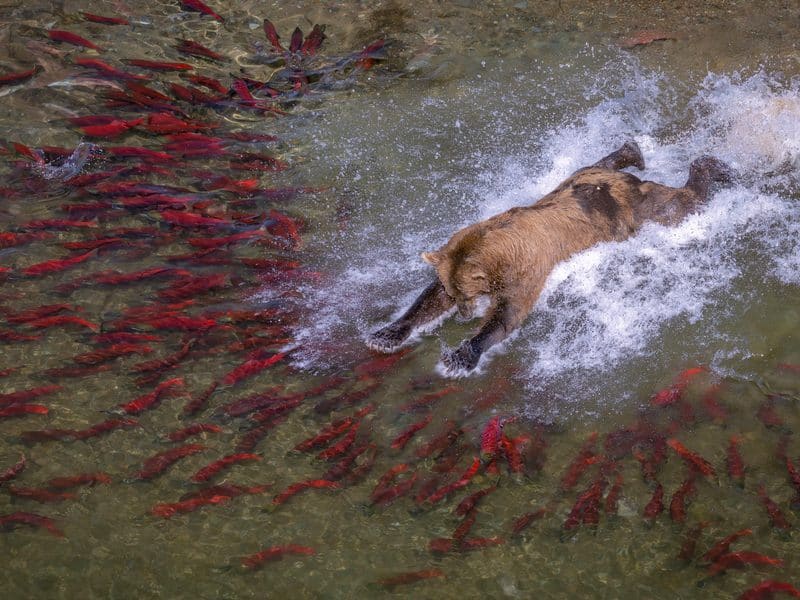
The Art of the Catch
To bulk up for winter hibernation, Alaska’s brown bears employ a range of techniques for snaring salmon.
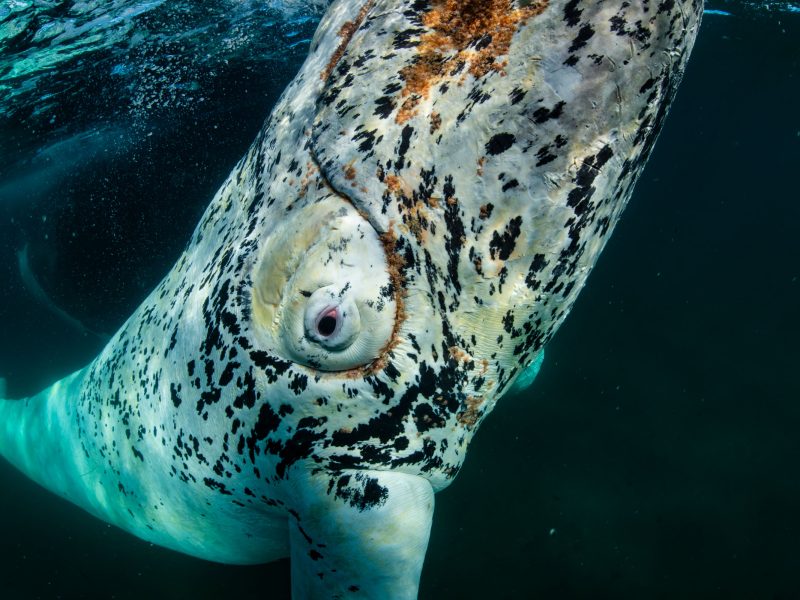
The Wonder of a Pale Whale
A curious calf with an atypical birthday suit is a good sign for southern right whales.
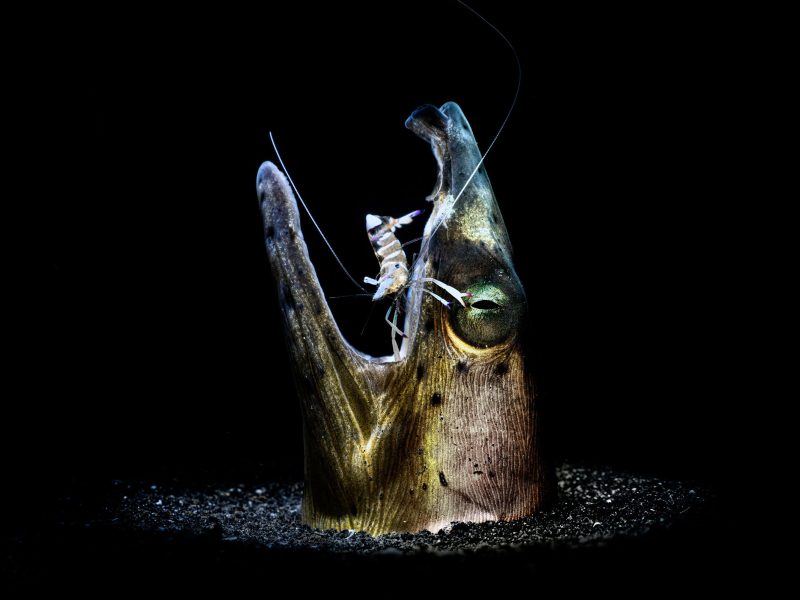
Saying “Ah!” at the Shrimp Spa
On coral reefs, an army of tiny cleaners eat their clients’ parasites, food particles, and dead skin, boosting biodiversity in the process.
