
Photograph by Guy Edwardes
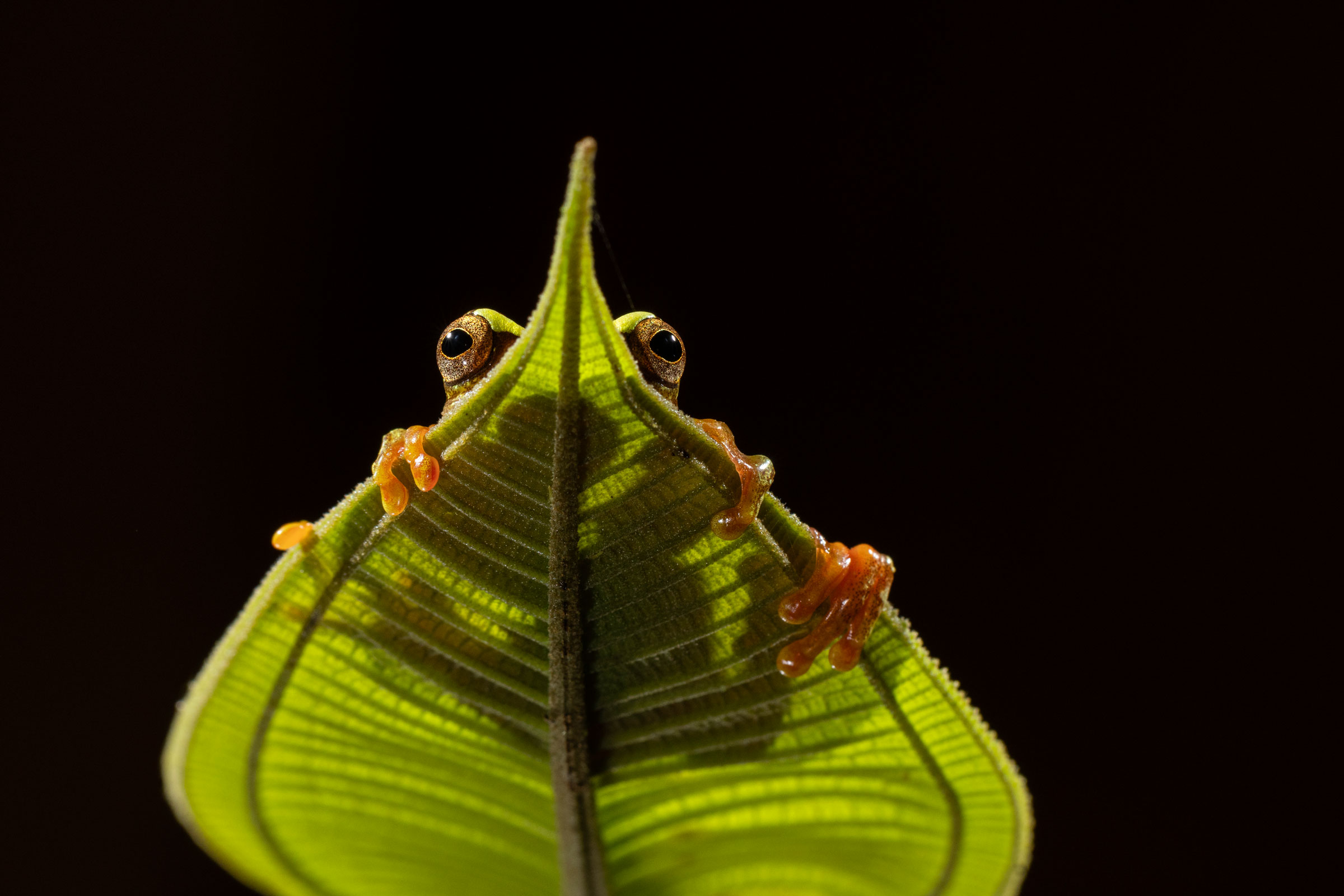
Tree frogs often find their way to perches high in the cloud forest canopy, but one night in Ecuador’s Sumaco Napo-Galeras National Park, England-based photographer Guy Edwardes spotted this Shreve’s Sarayacu tree frog (Dendropsophus sarayacuensis) relaxing on a leaf within easy reach of his lens. The species has a yellow-and-brown patterned back, bulging copper-colored eyes, and a flame-orange belly and inner legs. The diminutive, rain-inspired singer with a distinctly herbal scent is emblematic of the vast amphibian biodiversity of the Neotropics. Dozens of tree frog species, including the Shreve’s Sarayacu, make their homes in the Amazon Basin alone. And just like the frog that Edwardes met at eye level, they are exceptional climbers, as are most of the world’s other tree and torrent frogs—able to cling to vertical and overhanging surfaces that are smooth or rough or even wet, sometimes dangling by a single toe.
These superpowers are the product of convergent evolution across multiple families of frogs that adapted to moving through the vertical world of plants and trees (or waterfalls, in the case of torrent frogs). The frogs’ long toes end in wide pads covered in pentagonal, hexagonal, heptagonal, or octagonal columnar skin cells separated by channels and covered with bristly features called nanopillars. Glands secrete mucus-like fluid into the channels, covering each toe pad and forming a liquid bond with the surface that the frog grips. The pads’ unique, pliable softness and complex surface also help the toes mold to every fold and bump they traverse, and create friction to firm the frogs’ footing. Researchers believe a groove around each pad may help shunt excess fluid that could interfere with adhesion. Adopting a sprawled posture on a precipitous surface also helps frogs stay put.
Because tree frog toe pads are sticky, they have evolved a self-cleaning mechanism to ensure that crud doesn’t accumulate and interfere with their adhesion. Researchers using a species found in Australia have shown that tree frog toes shed debris as the animal moves—possibly because friction rubbed the debris off or the constant secretion of toe mucus flushed it away—leaving it behind in slimy footprints.
The superpowers in tree frog feet may have human applications for soft-tissue engineering, reversible adhesives, and other technological innovations. One research team used structural complexity similar to that of tree frog toes to improve the pad on a safety razor. The design channels away water and simultaneously grips skin, stretching it ahead of the blade for a closer shave. Another has developed an adhesive patch inspired by tree frog toes and octopus suction cups that can adhere to human skin even under flowing water. Such inventions are just a sampling of the biomimetic technologies inspired by nature—a reminder that our fellow beings have much to offer, right down to the genius of their sticky little toes.

Hi, I’m Dave, the executive director of bioGraphic. (And that’s my dog, Finn.) Thanks for taking the time to read this story.
Stories like this simply don’t get produced without financial support from readers like you. bioGraphic is an independent non-profit—we’re not backed by a private company or owned by a billionaire. One-quarter of our budget comes directly from reader donations.
bioGraphic publishes environmental reporting that you can’t find anywhere else: deeply researched, trustworthy stories that are also beautiful and captivating to read. Right now, we need your help to raise $30,000 by October 2. Every dollar will go directly to more crucial reporting projects.
Around the world, governments are slashing funding for conservation and scientific research, placing even more ecosystems and wildlife at risk. At bioGraphic, we’re steadfastly shining a light on the threats to our planet’s incredible biodiversity. And we’re showcasing the hard work of people bravely taking action to protect at-risk species.
bioGraphic offers an antidote to apathy and doom-and-gloom news by revealing the wonders of the natural world and focusing on real solutions to big problems. When you finish a bioGraphic story, we want to leave you feeling informed, delighted, and inspired.
We don’t run ads or hide our stories behind a paywall. The readers who generously support bioGraphic allow our work to remain free for everyone.
We reached our goal, but there’s time left. Will you help us smash our original goal and reach a new goal of $30,000 by October 2?

Related Articles
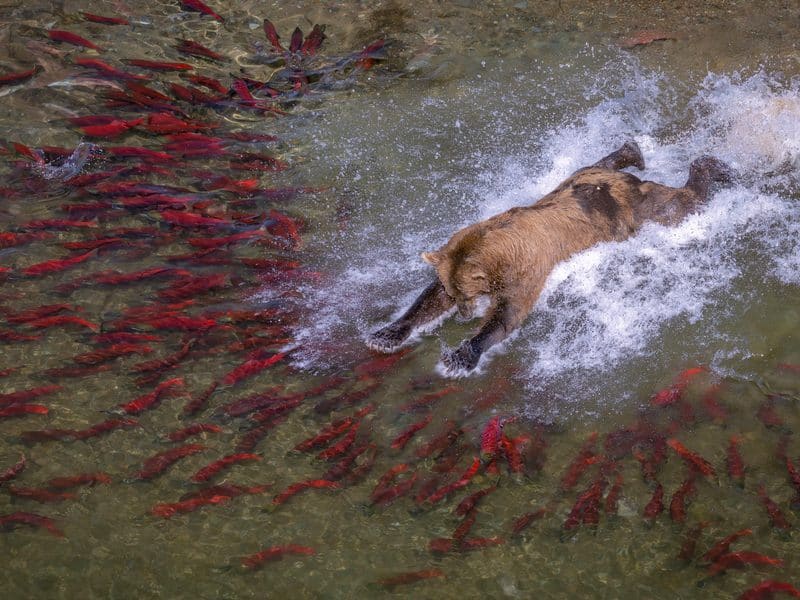
The Art of the Catch
To bulk up for winter hibernation, Alaska’s brown bears employ a range of techniques for snaring salmon.
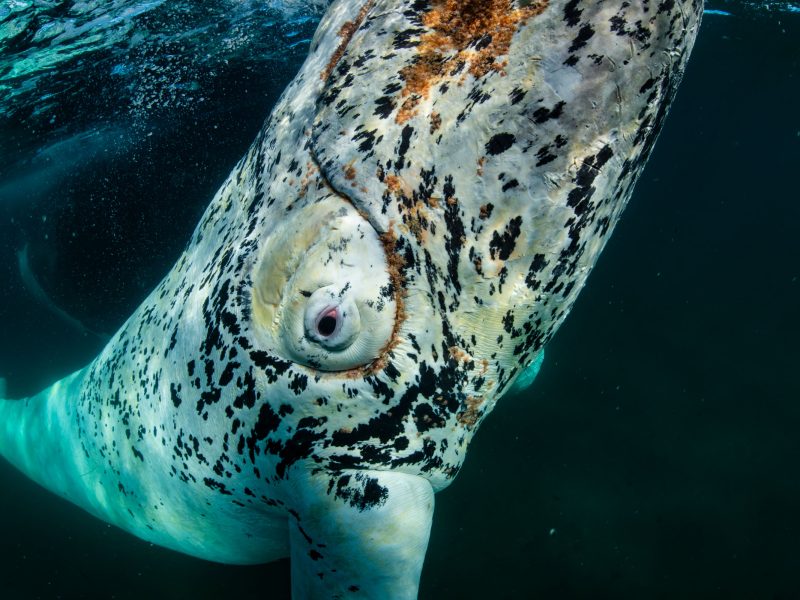
The Wonder of a Pale Whale
A curious calf with an atypical birthday suit is a good sign for southern right whales.
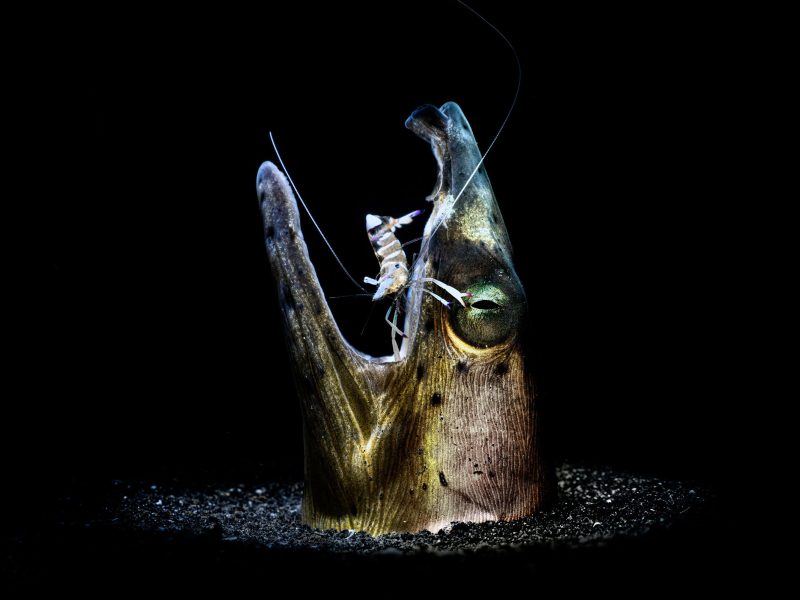
Saying “Ah!” at the Shrimp Spa
On coral reefs, an army of tiny cleaners eat their clients’ parasites, food particles, and dead skin, boosting biodiversity in the process.
