
Photograph by David Shale
Story by Madison Pobis
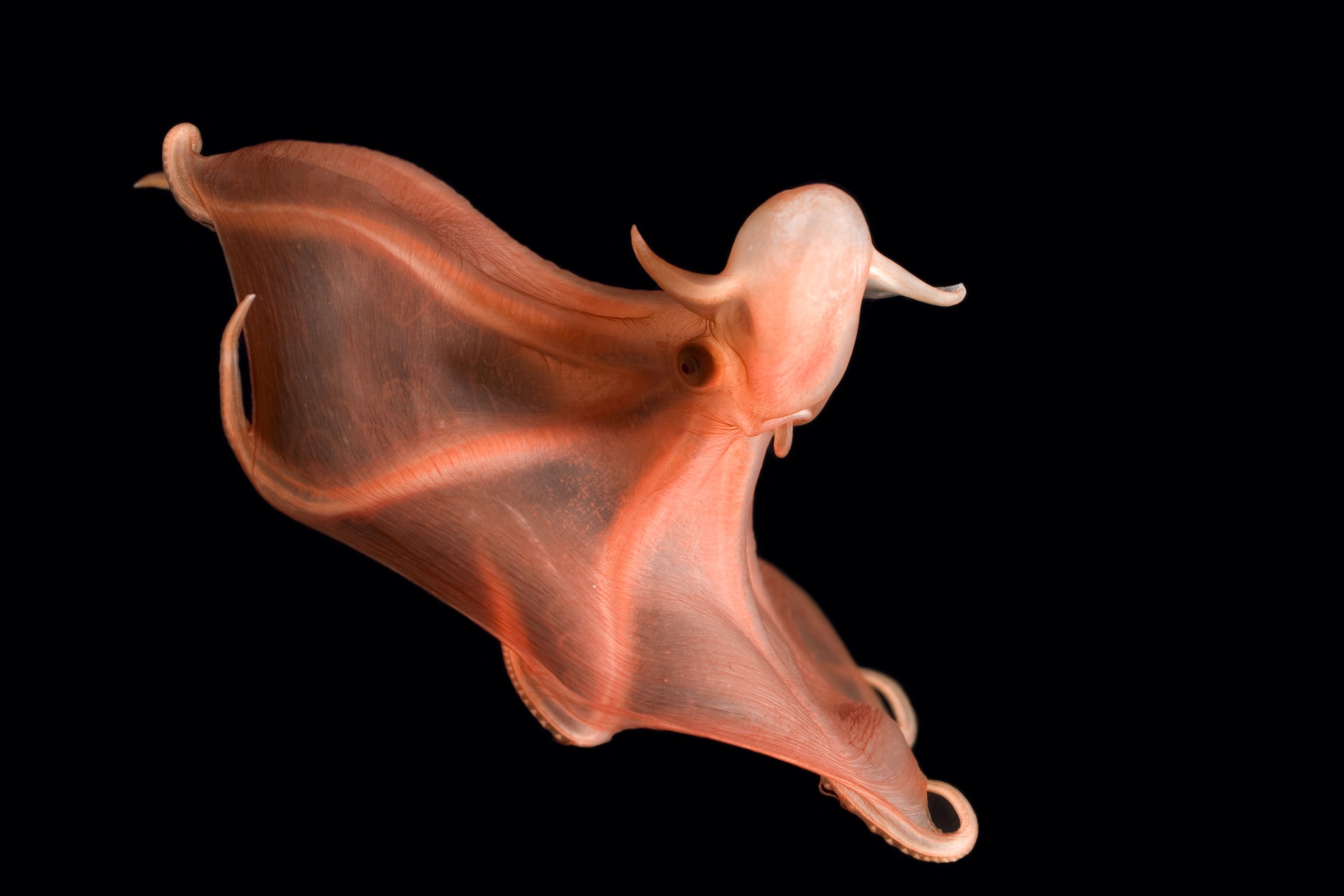
Nearly 825 meters (2,700 feet) beneath the surface of the sea, broad daylight disappears into an inky ocean void. “Marine snow”—a mix of feces, disintegrated fish, and decaying plants—drifts unseen through the darkness on its way to a benthic graveyard. Against this seemingly empty and frigidly cold backdrop, an octopus floats passively, unfazed by a world utterly hostile to humans. The occasional flap of its ear-like fins is all that’s required for the silent hunter to hold its position.
When more than drowsy drifting is required, however, the deep-sea dweller has another trick up its arms. The aptly-named glowing sucker octopus (Stauroteuthis syrtensis) is one of the only octopuses known to bioluminesce. Along each arm, chemical reactions trigger an array of blue-green lights that twinkle, pulse, and glow. Some scientists have hypothesized that the octopus might use its sparkling displays to communicate with potential partners, but a few clues suggest an alternative explanation.
The glowing sucker octopus feeds primarily on copepods, miniature crustaceans with extremely light-sensitive eyes. Unlike the suckers on its shallow-water relatives, which create strong suction to help the animals move along the ocean floor and snag unsuspecting prey, those on S. syrtensis aren’t actually adhesive. Instead, two stringy appendages, called cirri, flank each modified sucker, and a web of gossamer skin links the arms. Researchers suspect that as copepods are drawn in by the dazzling display and caught in a mucous web, the cirri fan the prey toward the octopus’s mouth like a sticky conveyor belt. Fiery orange skin—although vibrant under the illumination of a camera flash—is invisible in the deep ocean, where long wavelengths of red light can’t penetrate. This sunset-hued tissue provides even better camouflage than transparent skin, since it conceals any glowing critters that might end up in the octopus’s stomach, protecting it from attack by a larger predator.
Observing a deep-sea creature’s natural behavior is a bit like trying to catch lightning in a bottle. As soon as the bright lights of a remotely operated vehicle surprise a denizen of the deep that would otherwise never see daylight, the animal can become stressed and try to flee. As a result, scientists usually don’t get the chance to observe the undisturbed behavior of most deep-sea organisms in the wild (and, if they do, bioluminescence isn’t visible under their blinding strobes). A 1997 study conducted by scientists using an ROV recorded panicked glowing sucker octopuses inflating their webs into taut balloons and pulsing their arms like jellyfish as they tried to avoid the foreign machine.
Photographer David Shale was only able to snap a shot of this octopus after bringing it aboard a research vessel cruising in the Gulf of Maine. Under dim red lights and supported by the controlled flow of a tank designed for fragile midwater species, the octopus relaxed. After a bit, it slowly flipped over and inside out to reveal a constellation of lights—attempting, even in its temporary quarters, to attract a fresh meal.

Gulf of Maine, Atlantic Ocean
Hi, I’m Dave, the executive director of bioGraphic. (And that’s my dog, Finn.) Thanks for taking the time to read this story.
Stories like this simply don’t get produced without financial support from readers like you. bioGraphic is an independent non-profit—we’re not backed by a private company or owned by a billionaire. One-quarter of our budget comes directly from reader donations.
bioGraphic publishes environmental reporting that you can’t find anywhere else: deeply researched, trustworthy stories that are also beautiful and captivating to read. Right now, we need your help to raise $30,000 by October 2. Every dollar will go directly to more crucial reporting projects.
Around the world, governments are slashing funding for conservation and scientific research, placing even more ecosystems and wildlife at risk. At bioGraphic, we’re steadfastly shining a light on the threats to our planet’s incredible biodiversity. And we’re showcasing the hard work of people bravely taking action to protect at-risk species.
bioGraphic offers an antidote to apathy and doom-and-gloom news by revealing the wonders of the natural world and focusing on real solutions to big problems. When you finish a bioGraphic story, we want to leave you feeling informed, delighted, and inspired.
We don’t run ads or hide our stories behind a paywall. The readers who generously support bioGraphic allow our work to remain free for everyone.
We reached our goal, but there’s time left. Will you help us smash our original goal and reach a new goal of $30,000 by October 2?

Related Articles
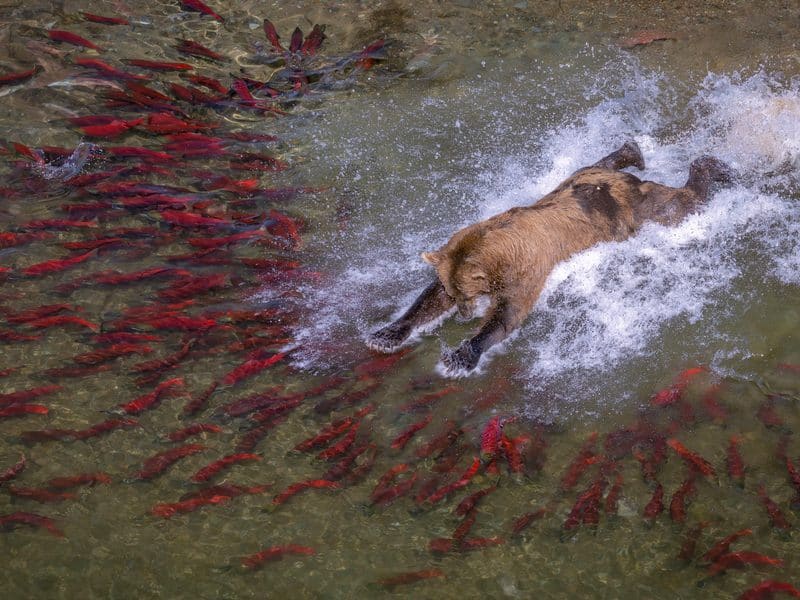
The Art of the Catch
To bulk up for winter hibernation, Alaska’s brown bears employ a range of techniques for snaring salmon.
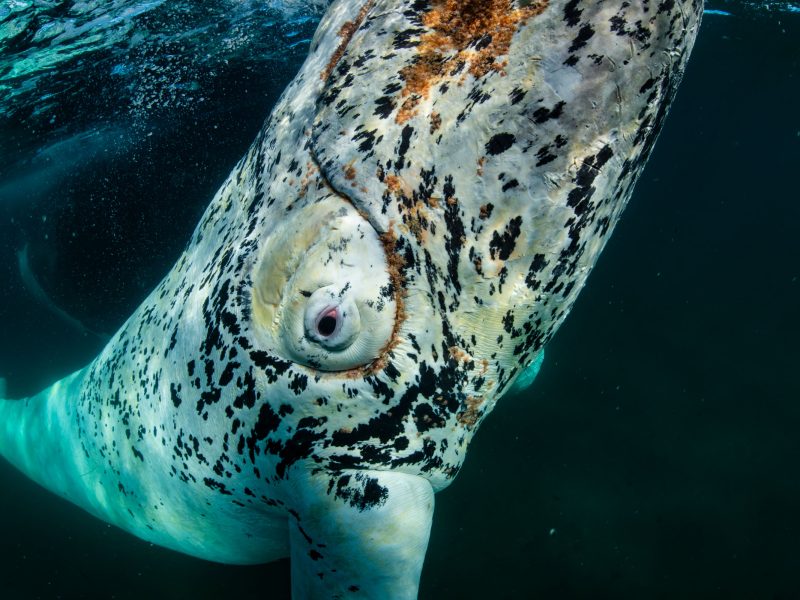
The Wonder of a Pale Whale
A curious calf with an atypical birthday suit is a good sign for southern right whales.
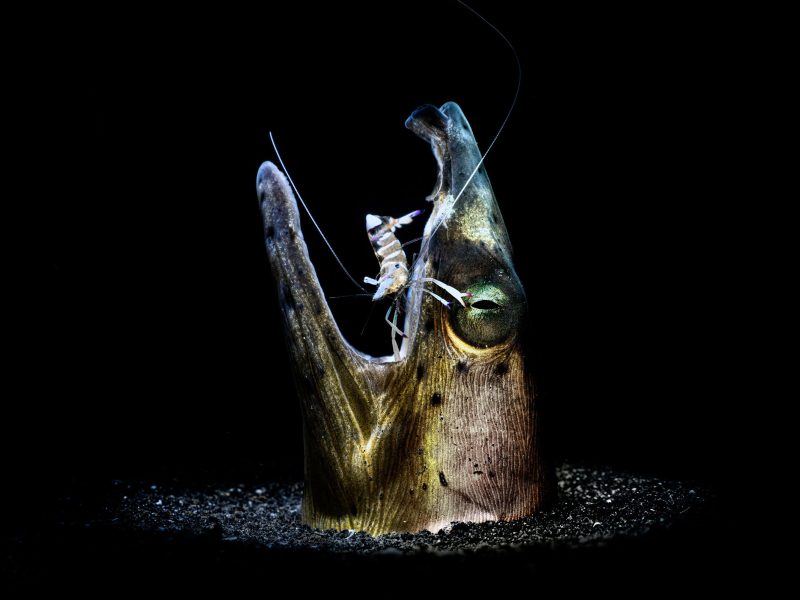
Saying “Ah!” at the Shrimp Spa
On coral reefs, an army of tiny cleaners eat their clients’ parasites, food particles, and dead skin, boosting biodiversity in the process.
