
Swan Lake
Mute swans, the graceful creatures of fairy tales, are well adapted to modern life.
Photograph by Mateusz Piesiak
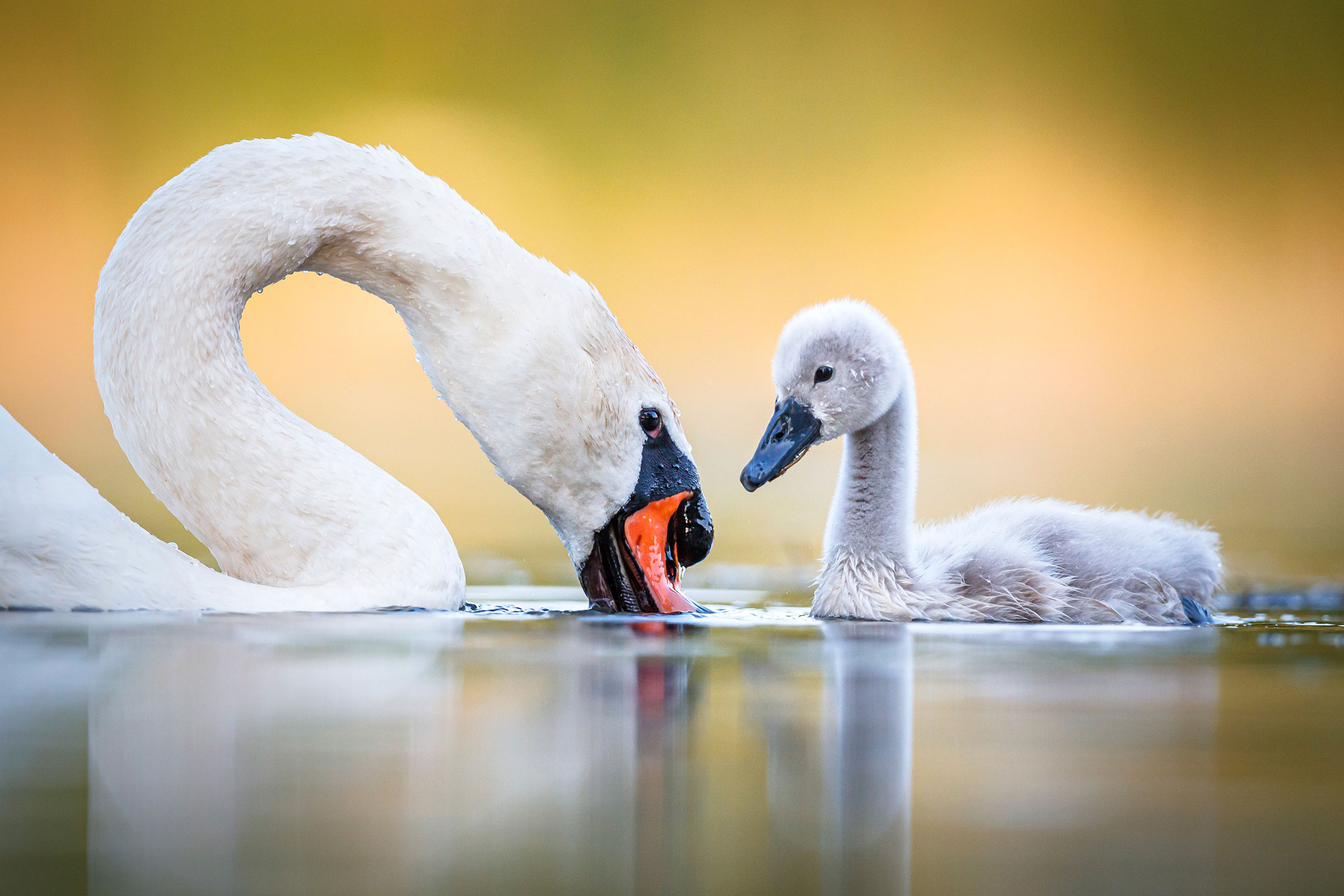
With its white plumage and elegant S-shaped neck, the mute swan (Cygnus olor), one of the largest aquatic fowl on earth, is the dramatic, graceful bird of fairy tales. It’s also an attentive parent. In this photo, a male mute swan yanks tender roots from the bottom of a pond as its diminutive cygnet eagerly awaits the meal. Like human parents everywhere, the adult first shreds the veggies into bite-sized pieces for its young, says photographer Mateusz Piesiak, who captured this image in his hometown of Wrocław, Poland.
“Many of us don’t realize just how many interesting creatures live in urban parks or in the patches of greenery between buildings,” says Piesiak. Mute swans are a particular favorite of his. “Perhaps it’s their grace and majesty,” says Piesiak, “or maybe it’s their behaviors that captivate me.”
Some of those behaviors are every bit as romantic as the ballets and fables. Dignified in their snow-white plumage, a cob (male) and pen (female) perform an early-spring mating dance in which the two intertwine their shapely necks and also touch “foreheads,” their curving necks forming the shape of a heart. The swans form long-lasting pair bonds, often mating for life, though they have sometimes been known to change partners and will remate if their partner dies.
After the mating ritual concludes, the hard work of housekeeping begins. The pair builds a large nest around or on the water, where the female lays five to seven pale eggs. The swans protect those eggs ferociously. Woe to the creature that ventures too close: An adult male can weigh more than 14 kilograms (31 pounds), with a wingspan that reaches more than 2 meters (7 feet) across. Swans have been known to knock over jet-skiers and canoeists and to seriously injure children and dogs with their thrashing wings. Intruders approaching a nest will also learn that mute swans, though quieter than other swan species, aren’t mute at all: along with grunting, snorting, and rhythmic courting songs, they hiss at intruders before attacking.
Those swan parents have reason to be on alert. “Young swans face many dangers, from attacks by birds of prey to underwater predators,” says Piesiak. Those include a catfish that local fishermen once saw eating five cygnets—whole—from a Wrocław waterway. To avoid such hazards, swan parents often will carry their young on their backs.
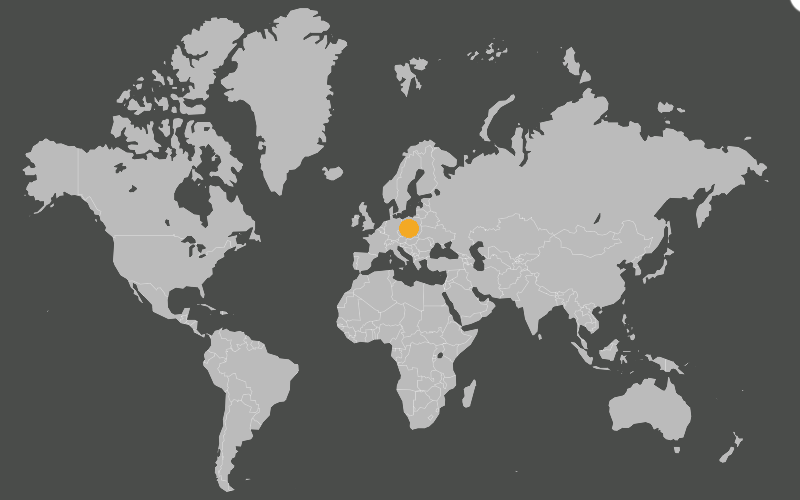
Mute swans are native to north-central Europe, the British Isles, and north-central Asia. They will winter as far south as North Africa, the Near East, northwest India, and Korea. Most populous in Russia, they had vanished from southwestern Poland almost entirely by 1800—likely hunted to near extinction. In 1948, however, a breeding pair returned to the region, and while statistics on current population are elusive, many thousands can be found living in Wrocław and across Poland. Worldwide, their breeding population is believed to be about 400,000.
Originally introduced to New York State during the late 1800s as an ornament for estates and parks, escapees established breeding populations that have proliferated across North America and adapted to disturbed ecosystems. Indeed, many U.S. land managers consider the mute swan an invasive nuisance today for the way it pushes out native waterfowl, and also for its voracious appetite (it can eat up to 3.6 kilograms, or eight pounds, of plants per day), which harms native aquatic vegetation. Some ecological fairy tales are, in fact, more complex than meets the eye.
Hi, I’m Dave, the executive director of bioGraphic. (And that’s my dog, Finn.) Thanks for taking the time to read this story.
Stories like this simply don’t get produced without financial support from readers like you. bioGraphic is not backed by a private company or owned by a billionaire. It’s an independent, nonprofit magazine. And one-quarter of our annual budget comes directly from reader donations.
We need your support more than ever, as governments slash funding for conservation and scientific research, placing even more ecosystems and wildlife at risk around the world. At bioGraphic, we’re steadfastly shining a light on the threats to our planet’s incredible biodiversity. And we’re showcasing the hard work of people bravely taking action to protect at-risk species.
bioGraphic publishes environmental reporting that you can’t find anywhere else: deeply researched, trustworthy stories that are also beautiful and captivating to read. We offer an antidote to reader apathy and doom-and-gloom news by revealing the wonders of the natural world and focusing on real solutions to big problems. When you finish a bioGraphic story, we want to leave you feeling informed, delighted, and inspired.
We don’t run ads or hide our stories behind a paywall. The readers who generously support bioGraphic allow our work to remain free for everyone.
Will you help us keep telling these crucial stories?

Authors


Related Articles
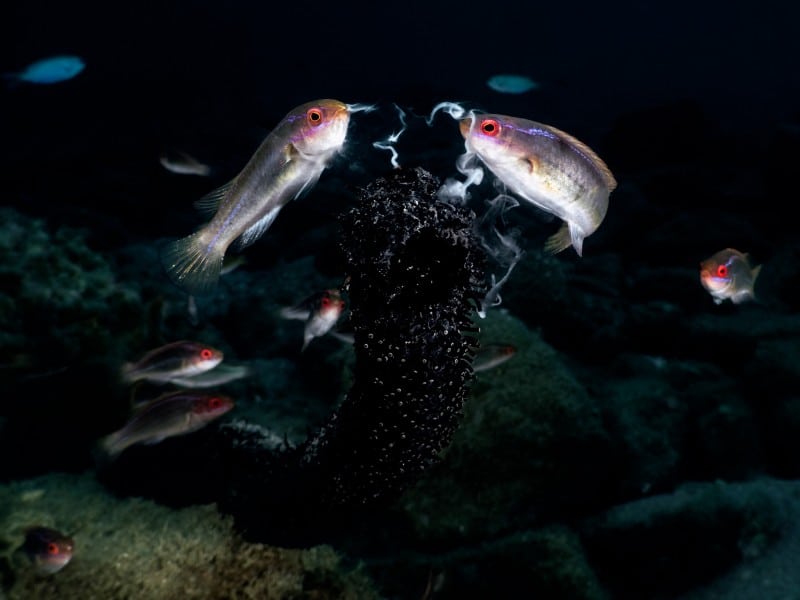
Milt Meal
Marine creatures will do almost anything for a meal—including feasting on the sperm and eggs of spawning invertebrates.
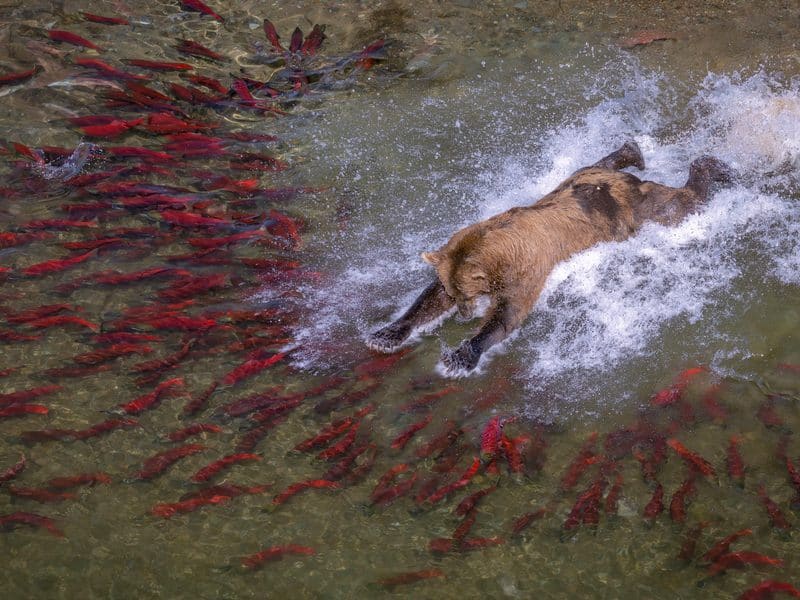
The Art of the Catch
To bulk up for winter hibernation, Alaska’s brown bears employ a range of techniques for snaring salmon.
The Wonder of a Pale Whale
A curious calf with an atypical birthday suit is a good sign for southern right whales.