The Collateral Damage of Climate Migration
As the planet warms, people are moving—bringing familiar fights to new battlegrounds.


As the planet warms, people are moving—bringing familiar fights to new battlegrounds.

The ancient relationship between the mountain pygmy possum and the bogong moth reveals the complexity of global climate change—and the lengths people may have to go to save some species from extinction.

Tropical vines are wandering, as they always have, but recent environmental changes are giving them an edge over other rainforest plants—a shift that could have enduring impacts on climates around the globe.
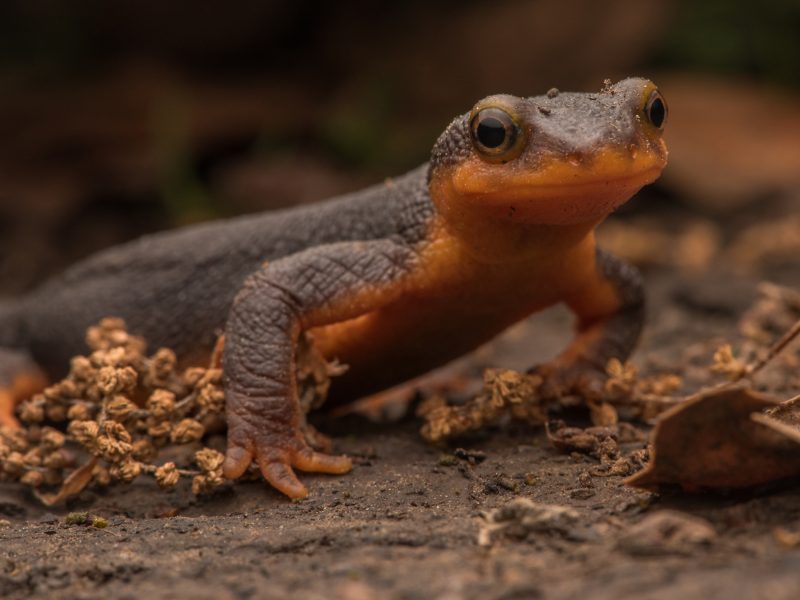
Droughts, wildfires, floods, and other extreme weather events are putting an unprecedented strain on California newts. With help, scientists think these remarkable animals will be able to persevere.

A massive human-assisted migration lands stranded sea turtles back in warmer seas.
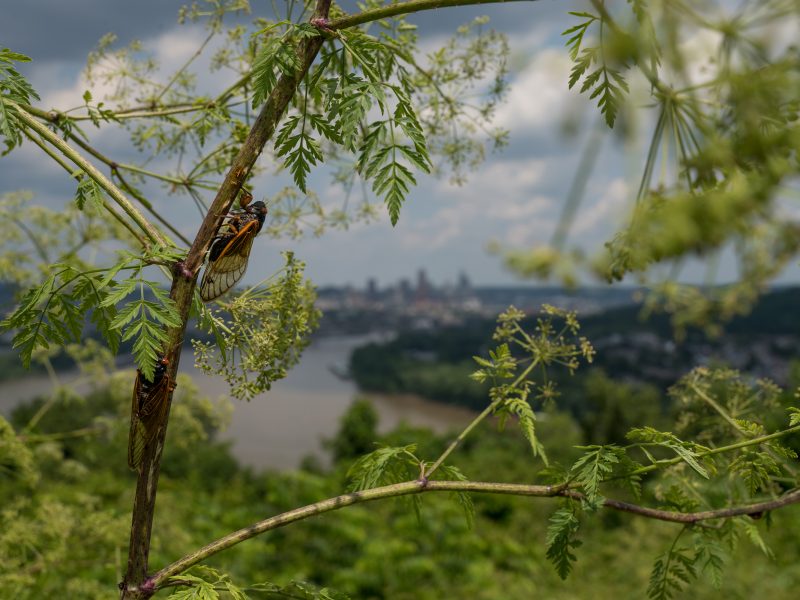
Despite their perceived abundance, the periodical cicadas that emerged across the eastern United States this summer point to a growing set of threats facing both the insects themselves and the ecosystems they help support.

Clinging to the underside of ice hundreds of meters thick, strange communities of sea life eke out a living in perpetual darkness. Now, researchers are racing to find and study these creatures before they—and their ice sheets—disappear.

For American pikas, the rush to store enough food for winter is becoming more hazardous—and climate change isn’t the only culprit.

Emperor penguins just may be the best huddlers on Earth—and scientists are finally revealing the secrets to their success.

In Iceland's Hornstrandir Nature Reserve, arctic foxes are thriving—and offering hope that the species will be able to adapt to a changing climate.