Can Mushrooms Save the Honey Bee?
A blood-sucking mite is wreaking havoc on honey bees—but scientists have discovered a surprising new way to fight back.


A blood-sucking mite is wreaking havoc on honey bees—but scientists have discovered a surprising new way to fight back.
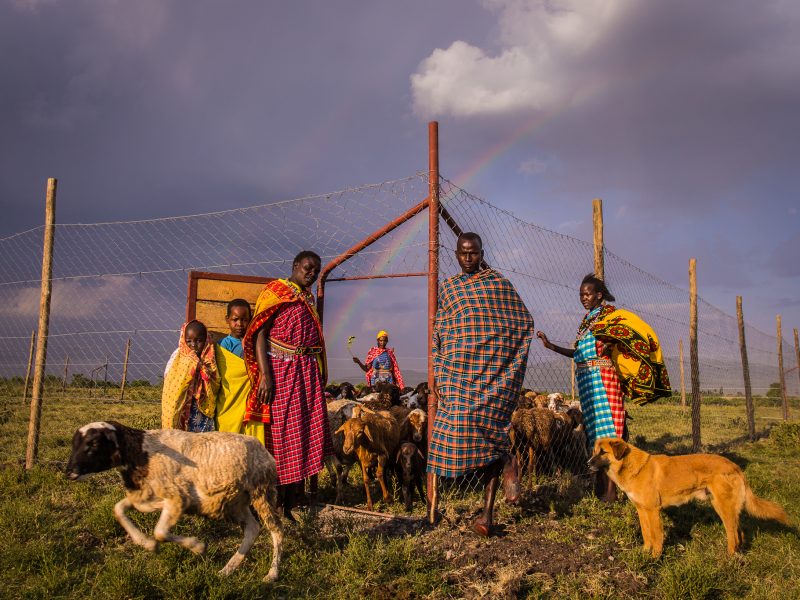
With human-wildlife conflicts on the rise across East Africa, Kenya’s iconic predators find some unlikely allies.
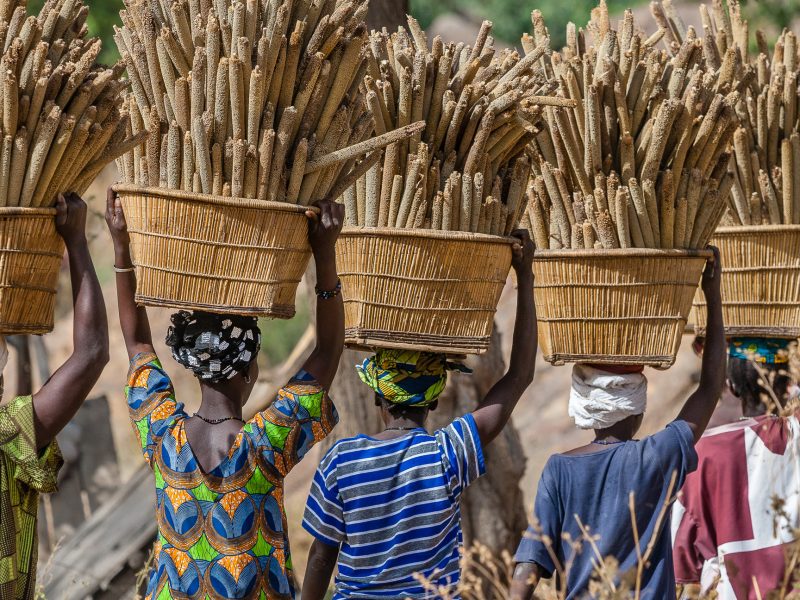
Renowned sustainability expert shares ideas for addressing food shortages in Africa without compromising ecological health.

Feeding the world sustainably—and nutritiously—may require crops that most people have never even heard of.
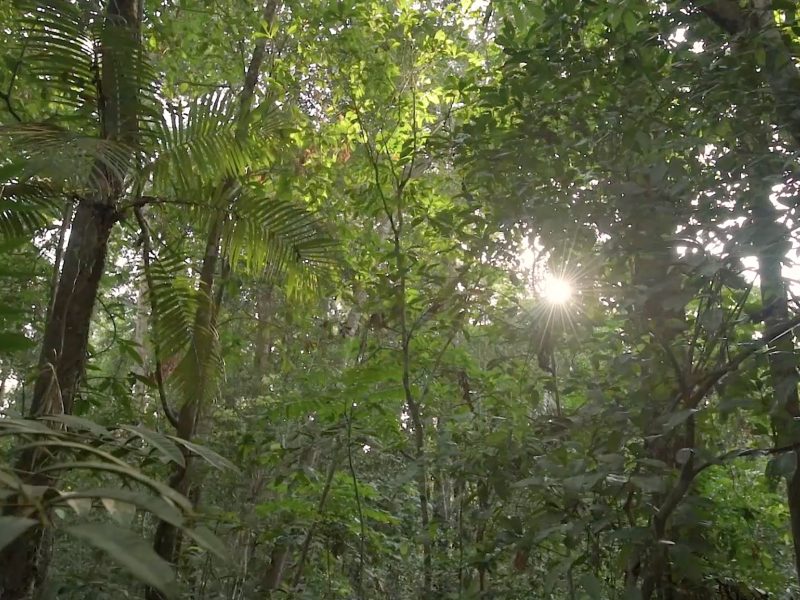
The Amazon rainforest faces myriad threats. But this iconic ecosystem—one of Earth's most important natural resources—may be more resilient than scientists ever expected.
It’s more than a skirmish over funding, censorship, and “alternative facts.” It’s a battle for basic decency, the people we love, and the future of our planet.

Millions of tons of fish caught each year go unreported, and that impacts our ability to manage fisheries sustainably—but not in the way you might expect.

An endangered Texas salamander hangs on thanks to a grab bag of protective laws. But will rampant development and a Trump administration spell its doom?
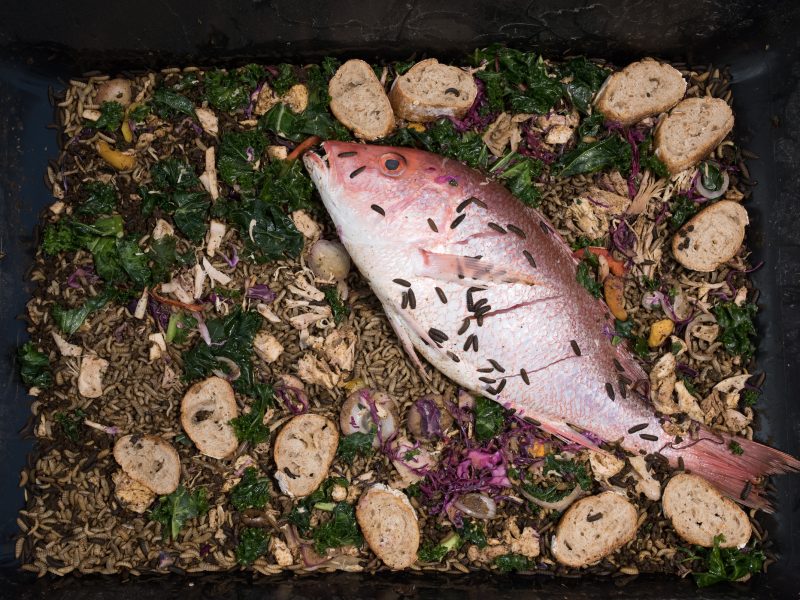
Agricultural entrepreneurs want to solve the planet’s livestock-feed crisis by farming insect larvae. Will their scheme fly?
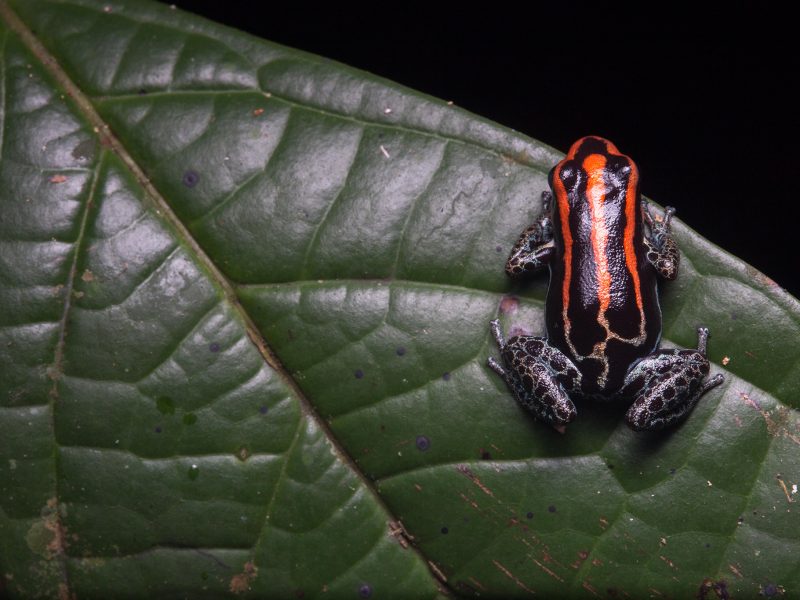
Ecuador's Yasuní National Park may be the world's richest rainforest. What will become of it now that oil extraction has begun?