Atonement in the Kitchen
One way to make sense of the senseless slaughter of roadkill? Salvage it for food.


One way to make sense of the senseless slaughter of roadkill? Salvage it for food.
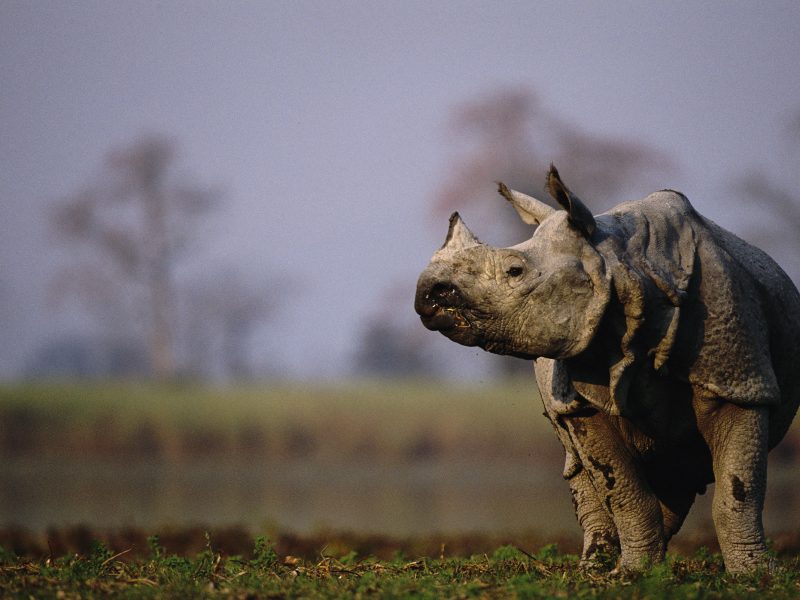
In northeastern India, taking care of a vulnerable species also means looking after the humans who live alongside it.

Myth and mystery have long protected two species of monkey and the West African forests they depend on, but for how much longer?

While wildlife trafficking receives more media attention, experts are urging global leaders to clamp down on legal wildlife trade and the significant disease threats it poses.
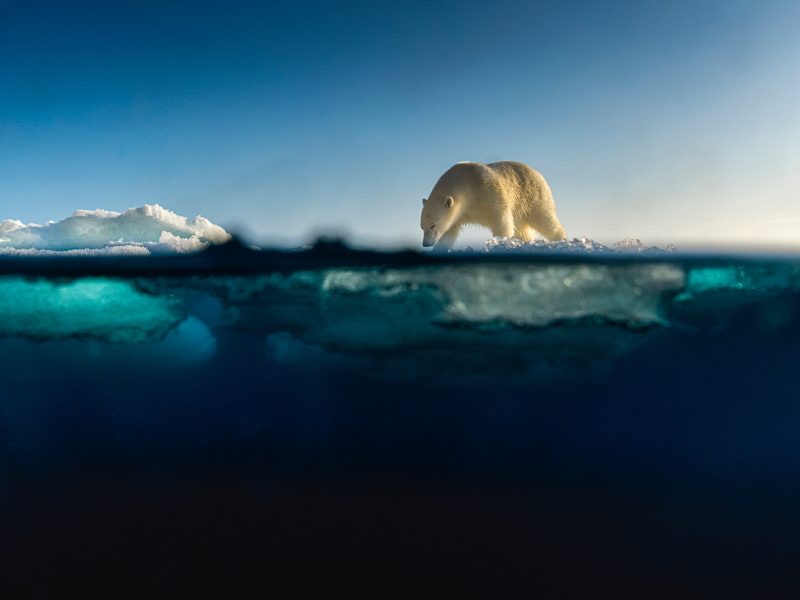
Against the backdrop of a world so thoroughly altered by humankind, Emma Marris's latest book, Wild Souls, challenges our assumptions about nature and how we protect it.

The new book Beloved Beasts hacks through the undergrowth of the conservation movement in search of a clear path forward.
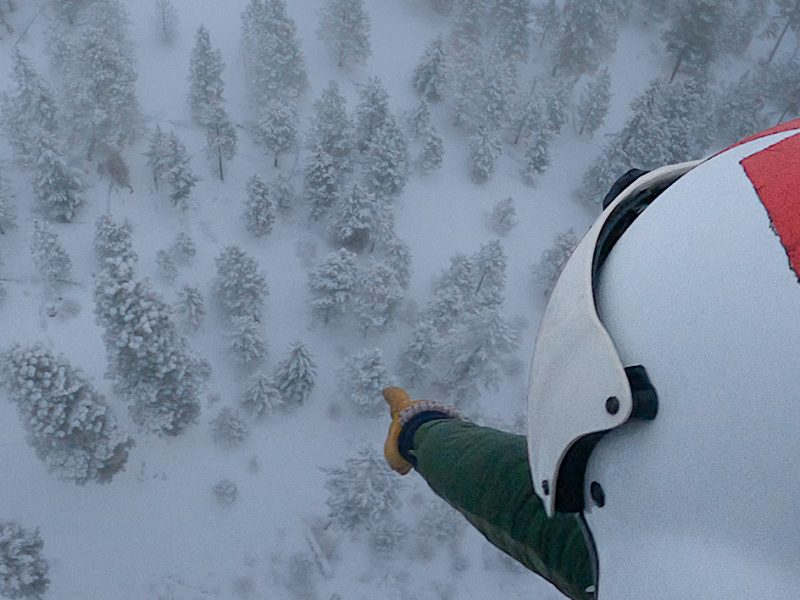
The first step in managing a rare and controversial predator—particularly in a state where it's been absent for decades—is knowing how many you have. That’s easier said than done with a species as elusive as this one.
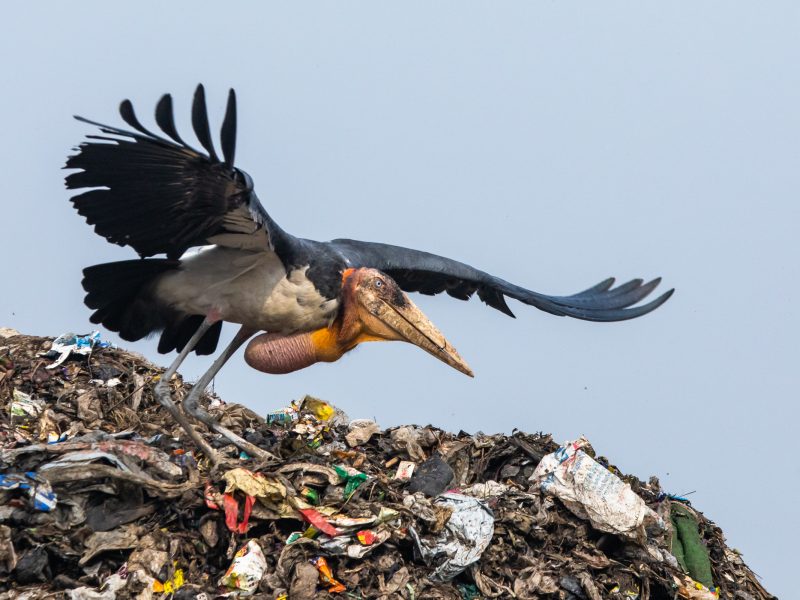
How one community—and one woman in particular—have found a way to protect the rarest stork in the world simply by learning to appreciate the species and embracing it as one of their own.

Buried in mud for millennia, some of New Zealand's ancient kauri trees are revealing surprising clues about Earth's climate—past, present, and future.

Caring for sick and injured wildlife has always been challenging, but during the pandemic, for many rehabilitators, it has become a grueling, 24/7 labor of love.