
The Eyes Have It
The mysterious northern pygmy squid develops into a brilliant predator.
Photograph by Tony Wu

Tony Wu, a photographer and naturalist based in Tokyo, knew he was in the right place when he saw rows of ruby-red eyes gazing back at him. He was diving in nearshore waters perhaps 6 meters (20 feet) deep, off the coast of Hokkaido, Japan, combing seagrass beds for the eggs of the world’s smallest known cephalopod: the northern pygmy squid (Idiosepius paradoxus). At around 16 millimeters long fully grown—about the size of a marble—the squid lays eggs less than 2 millimeters in diameter. That made the search daunting, but the photography was even more so. You find a batch of eggs, Wu says, “and then the frustration starts.”
He wanted to document a specific stage of development when the embryos have vivid red eyes. Because that phase seems to last just a matter of hours, he had to keep finding new subjects. The nearshore is also a dynamic environment, influenced by wave action; eggs sometimes got brushed off their blades or encrusted with sediment. Even on a relatively calm day “the grass is moving; the eggs are moving; I’m moving; the camera is moving; the sediment is moving,” Wu says. He would manage to align a shot from the perfect angle, only to find a speck of debris obscuring the middle of the frame.
It ultimately took several days and thousands of pictures for Wu to get the image he was after, with tiered lines of striking red dots. “If I show a photo like this to group of six-year-olds, they’re going to look and say, ‘What is THAT?!’” Wu says. “I always want that reaction because that’s the way I get to explain things to people.”
Though there are relatively few things to explain about pygmy squid because they haven’t been thoroughly studied, they are known to be smart predators. Like most cephalopods that frequent parts of the ocean reached by sunlight, they use their arresting eyes—which become large and iridescent by adulthood—to hunt. But their sharp minds are also important. Scientists have shown that pygmy squid sometimes employ their ink not just as a defense, but as a hunting tool, squirting a cloud to distract prey and then attacking from a different direction, or squirting a cloud to obscure their approach and then attacking through it.
Wu has also photographed a northern pygmy squid latching onto a skeleton shrimp that clung to a seagrass blade. Taking advantage of the wave action to turn its body into a pendulum, the squid managed to use its weight to peel the shrimp’s limbs off of the seagrass one by one, slowly dislodging it. Once the squid had the shrimp fully in grasp, it injected a digestive enzyme and ate the shrimp’s semi-liquified tissue—leaving a clear husk of exoskeleton. The tiny squid “are not just voracious; they use their brains and techniques to conserve energy,” Wu says. “They’re really intelligent in that sense.”

Hi, I’m Dave, the executive director of bioGraphic. (And that’s my dog, Finn.) Thanks for taking the time to read this story.
Stories like this simply don’t get produced without financial support from readers like you. bioGraphic is an independent non-profit—we’re not backed by a private company or owned by a billionaire. One-quarter of our budget comes directly from reader donations.
bioGraphic publishes environmental reporting that you can’t find anywhere else: deeply researched, trustworthy stories that are also beautiful and captivating to read. Right now, we need your help to raise $30,000 by October 2. Every dollar will go directly to more crucial reporting projects.
Around the world, governments are slashing funding for conservation and scientific research, placing even more ecosystems and wildlife at risk. At bioGraphic, we’re steadfastly shining a light on the threats to our planet’s incredible biodiversity. And we’re showcasing the hard work of people bravely taking action to protect at-risk species.
bioGraphic offers an antidote to apathy and doom-and-gloom news by revealing the wonders of the natural world and focusing on real solutions to big problems. When you finish a bioGraphic story, we want to leave you feeling informed, delighted, and inspired.
We don’t run ads or hide our stories behind a paywall. The readers who generously support bioGraphic allow our work to remain free for everyone.
We reached our goal, but there’s time left. Will you help us smash our original goal and reach a new goal of $30,000 by October 2?

Related Articles
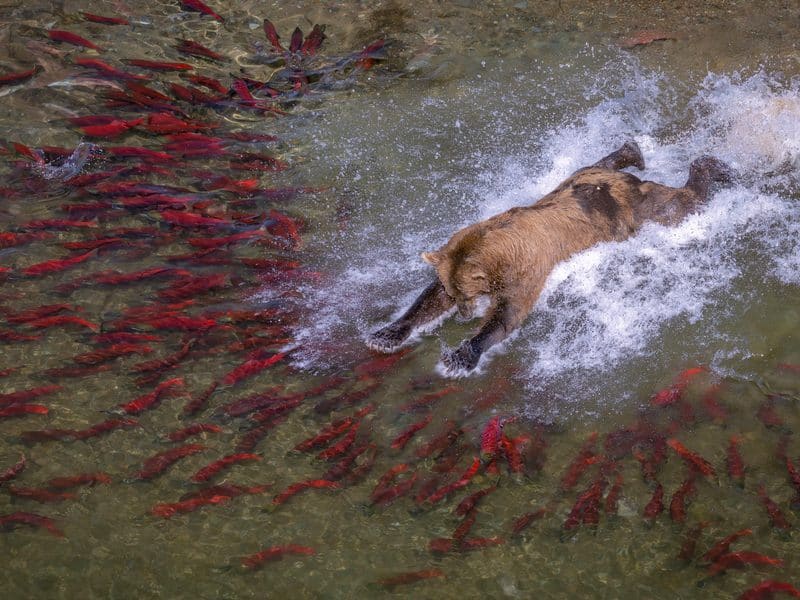
The Art of the Catch
To bulk up for winter hibernation, Alaska’s brown bears employ a range of techniques for snaring salmon.
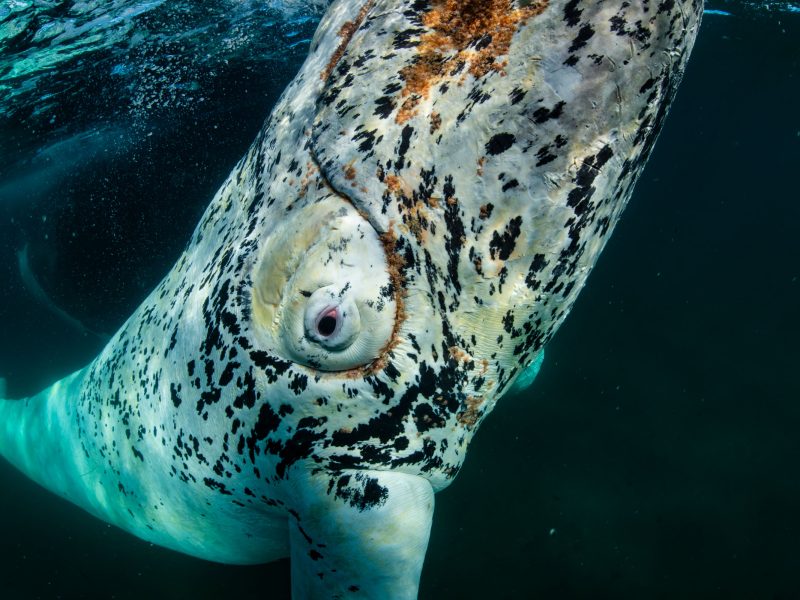
The Wonder of a Pale Whale
A curious calf with an atypical birthday suit is a good sign for southern right whales.
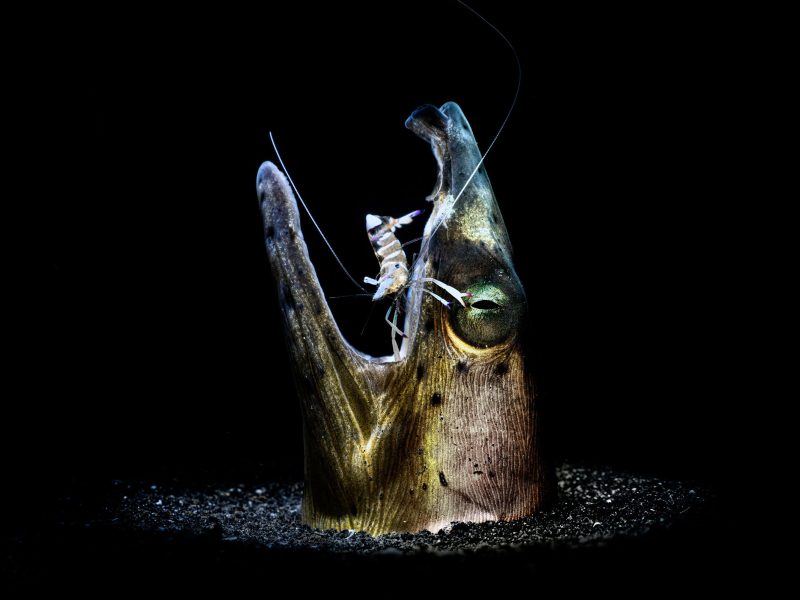
Saying “Ah!” at the Shrimp Spa
On coral reefs, an army of tiny cleaners eat their clients’ parasites, food particles, and dead skin, boosting biodiversity in the process.
