
The Reptile Who Plays Possum
Grass snakes fake death to avoid predation.
Photograph by Roman Willi

Switzerland-based photographer and filmmaker Roman Willi dreamed of filming a grass snake (Natrix natrix) on the hunt. But when he flipped over a piece of sun-warmed rubber at an abandoned brick factory in Lucerne one July day, he was instead surprised to witness a behavior the species deploys when it is the hunted, not the hunter. Beneath the rubber lay a juvenile grass snake, who promptly writhed into a ball, dangled its head, gaped its mouth to reveal a lolling tongue, and went still. It was playing dead, a behavior also called thanatosis, which shares its root word with Thanatos, the ancient Greek personification of death, brother to the god of sleep.
Creatures across the animal kingdom—with examples among crustaceans, insects, birds, reptiles, amphibians, and mammals (including, famously, possums, who spawned their own idiom)—play dead for anywhere from a few seconds to a few hours as a last-resort defense. Depending on the species involved, these “deaths” may discourage potential predators in different ways. In some cases, an animal on the hunt may be confused out of completing a kill, or less inclined to eat something that’s already dead. In others, a creature assumes a posture that challenges a predator’s ability to kill and eat it. One species of pygmy grasshopper, for instance, spreads its body out and exposes its spines, making it hard for certain frogs to swallow. Some vertebrate species that practice thanatosis leave their eyes open and reduce their breathing and heart rates to complete the illusion of death, and eject urine, feces, and other foul emissions that may make them less appealing.
Grass snakes, however, tend to save their poop and noxious-smelling fluids for use in more aggressive behaviors that they often deploy instead of or before thanatosis. Those displays also include mimicking the hissing and lunging motions of a poisonous snake, and even snout-bumping or biting the threatening animal.
Willi didn’t want to unnecessarily stress the juvenile grass snake, so he left it to return to its rubber shelter after snapping this image. He hopes that the up-close view of thanatosis gets more people curious about the lives and ways of snakes, which are often unfairly reviled and misunderstood. Grass snakes are persecuted across their range, which stretches from Europe through central Asia. Mining, road traffic, water pollution, and destruction of grass snakes’ wetland habitats are also major threats.
Protecting grass snakes has benefits well beyond simply preserving their fascinating behavior. They also play an important role in bringing aquatic nutrients—particularly those that are rare on land, such as omega-3 fatty acids—into terrestrial systems. That’s because grass snakes rely heavily on amphibians as food, and are themselves a food source for terrestrial animals like falcons and storks, who in turn carry the nutrients farther inland in their feces and bodies.

Hi, I’m Dave, the executive director of bioGraphic. (And that’s my dog, Finn.) Thanks for taking the time to read this story.
Stories like this simply don’t get produced without financial support from readers like you. bioGraphic is an independent non-profit—we’re not backed by a private company or owned by a billionaire. One-quarter of our budget comes directly from reader donations.
bioGraphic publishes environmental reporting that you can’t find anywhere else: deeply researched, trustworthy stories that are also beautiful and captivating to read. Right now, we need your help to raise $20,000 by October 2. Every dollar will go directly to more crucial reporting projects.
Around the world, governments are slashing funding for conservation and scientific research, placing even more ecosystems and wildlife at risk. At bioGraphic, we’re steadfastly shining a light on the threats to our planet’s incredible biodiversity. And we’re showcasing the hard work of people bravely taking action to protect at-risk species.
bioGraphic offers an antidote to apathy and doom-and-gloom news by revealing the wonders of the natural world and focusing on real solutions to big problems. When you finish a bioGraphic story, we want to leave you feeling informed, delighted, and inspired.
We don’t run ads or hide our stories behind a paywall. The readers who generously support bioGraphic allow our work to remain free for everyone.
Will you help us raise $20,000 by October 2?

Related Articles
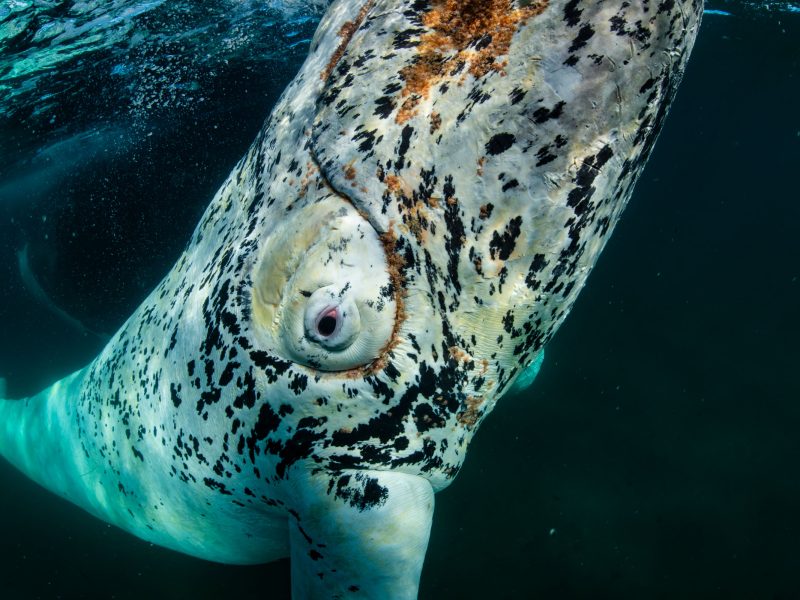
The Wonder of a Pale Whale
A curious calf with an atypical birthday suit is a good sign for southern right whales.
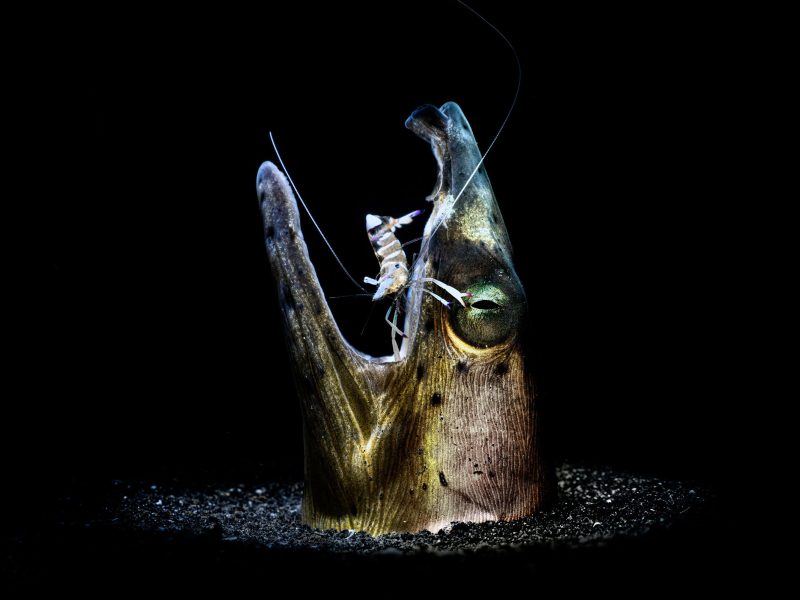
Saying “Ah!” at the Shrimp Spa
On coral reefs, an army of tiny cleaners eat their clients’ parasites, food particles, and dead skin, boosting biodiversity in the process.
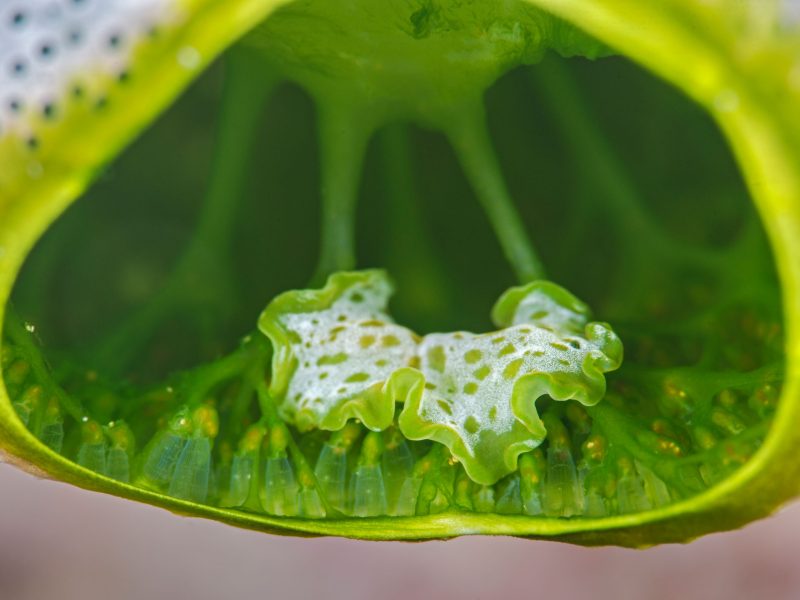
Friends or Foes?
A flatworm and a sea squirt mingle in the tropical waters of West Papua, offering a glimpse into the complexity of interspecies relationships.
