
Photograph by Tony Wu
Story by Madison Pobis
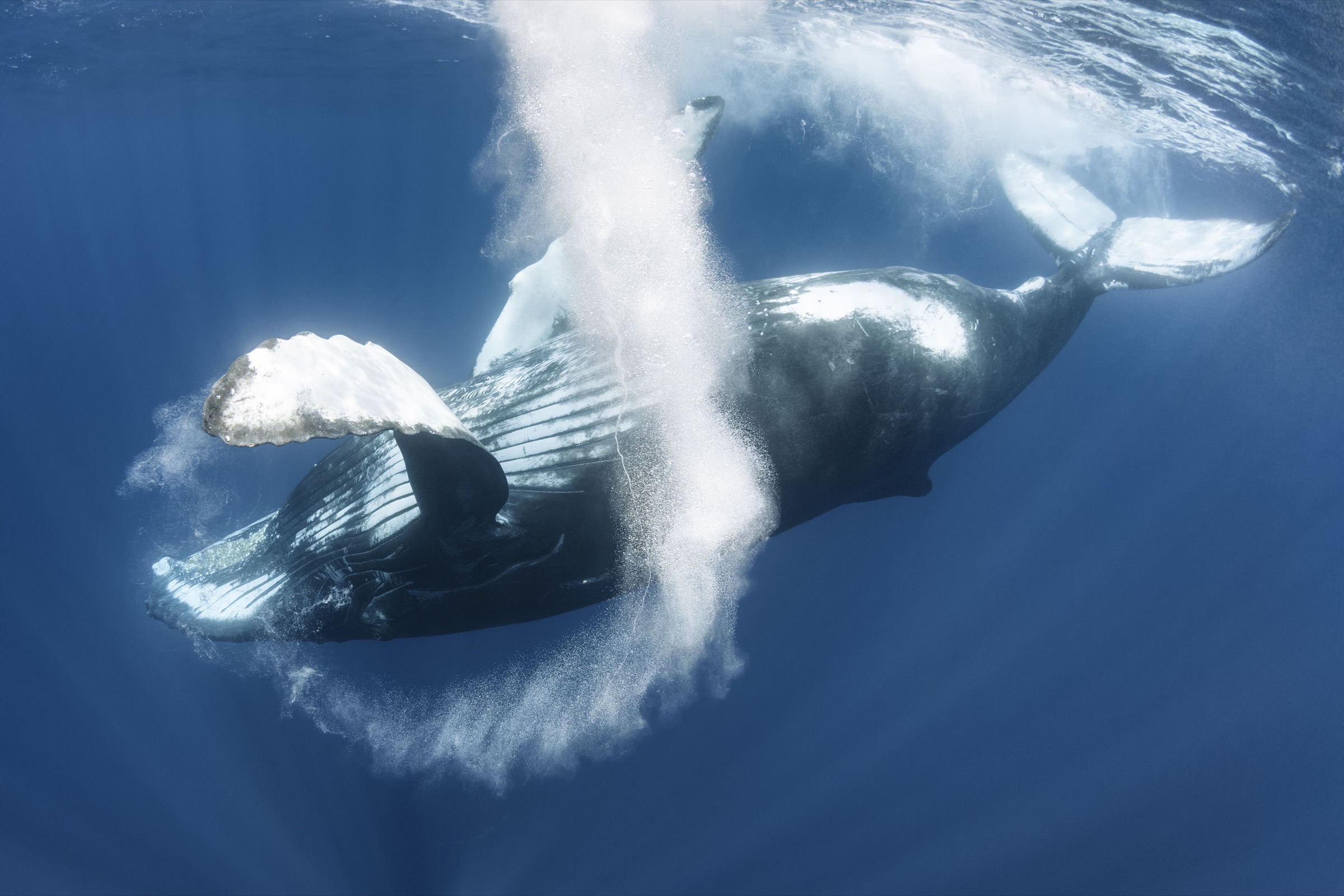
Holding his breath—literally and figuratively—photographer Tony Wu waited to see whether his suspicions would be confirmed. Twenty years of experience and a gut feeling at the sight of a fluke disappearing beneath the surface had prompted Wu to leap from the boat and wait. Suddenly a dark nose, immediately recognizable, emerged out of the misty blue haze. It was indeed a humpback whale (Megaptera novaeangliae), and in 2014 when Wu captured the image, it was likely the first living individual of the species ever recorded off the coast of Sri Lanka.
In many ways, this spot might seem ripe for humpback encounters. Winds that blow off the coast drive surface waters out to sea, and cause cold, nutrient-rich currents to well up from the deep. The resulting cornucopia of krill, shrimp, and small plankton are a boon for many filter-feeding giants like blue whales (Balaenoptera musculus). Yet humpbacks have been conspicuously absent—only occasionally washing up dead on Sri Lanka’s shores or heard singing by sailors aboard passing ships.
Whether this juvenile male simply blundered into these bountiful waters by mistake or was representative of a growing trend is still unknown. But humpback populations are larger now than they have been for most of past century, and the species has become a charismatic symbol for the power of global cooperation in marine management. Since the implementation of a ban on commercial whaling in 1986, populations have rebounded dramatically and the humpback is now classified as a species of Least Concern by the International Union for Conservation of Nature (IUCN).
For Wu, the encounter was remarkable on a personal level as well. He has spent countless hours in the water with whales of all ages and sizes, and he recognized the playfulness of this youngster immediately. The young whale turned circles and splashed Wu mischievously, seemingly in an effort to get the photographer to play. Or perhaps this was the whale’s way of celebrating the food-rich waters it had discovered—and possibly the first of many such encounters off the coast of Sri Lanka.

Indian Ocean, off Sri Lanka
Hi, I’m Dave, the executive director of bioGraphic. (And that’s my dog, Finn.) Thanks for taking the time to read this story.
Stories like this simply don’t get produced without financial support from readers like you. bioGraphic is not backed by a private company or owned by a billionaire. It’s an independent, nonprofit magazine. And one-quarter of our annual budget comes directly from reader donations.
We need your support more than ever, as governments slash funding for conservation and scientific research, placing even more ecosystems and wildlife at risk around the world. At bioGraphic, we’re steadfastly shining a light on the threats to our planet’s incredible biodiversity. And we’re showcasing the hard work of people bravely taking action to protect at-risk species.
bioGraphic publishes environmental reporting that you can’t find anywhere else: deeply researched, trustworthy stories that are also beautiful and captivating to read. We offer an antidote to reader apathy and doom-and-gloom news by revealing the wonders of the natural world and focusing on real solutions to big problems. When you finish a bioGraphic story, we want to leave you feeling informed, delighted, and inspired.
We don’t run ads or hide our stories behind a paywall. The readers who generously support bioGraphic allow our work to remain free for everyone.
Will you help us keep telling these crucial stories?

Authors


Related Articles
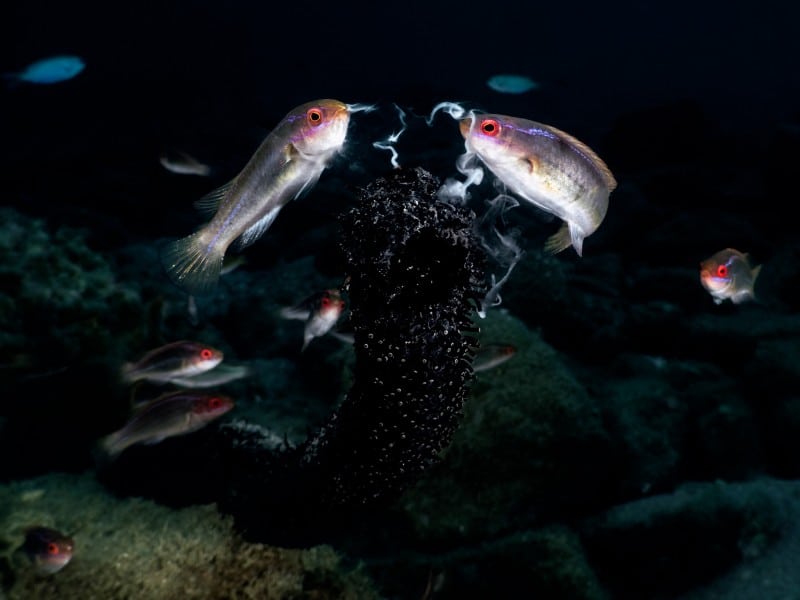
Milt Meal
Marine creatures will do almost anything for a meal—including feasting on the sperm and eggs of spawning invertebrates.
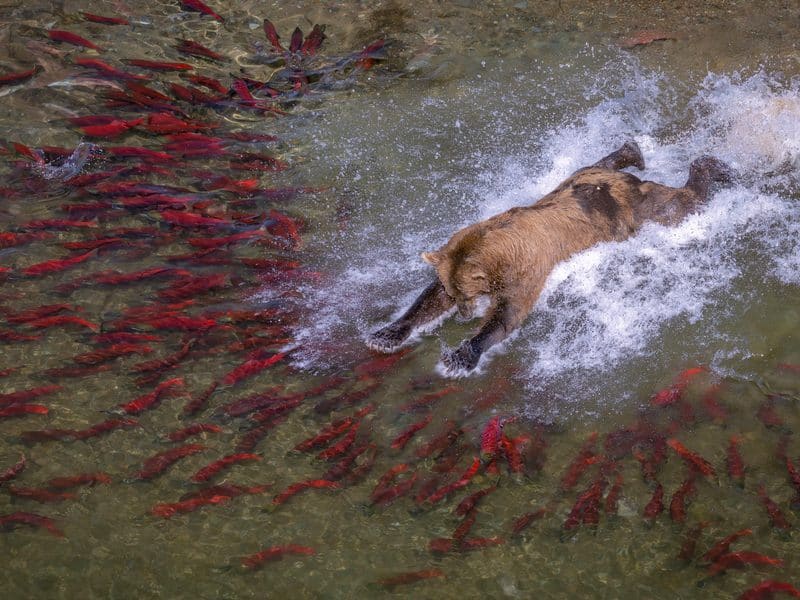
The Art of the Catch
To bulk up for winter hibernation, Alaska’s brown bears employ a range of techniques for snaring salmon.
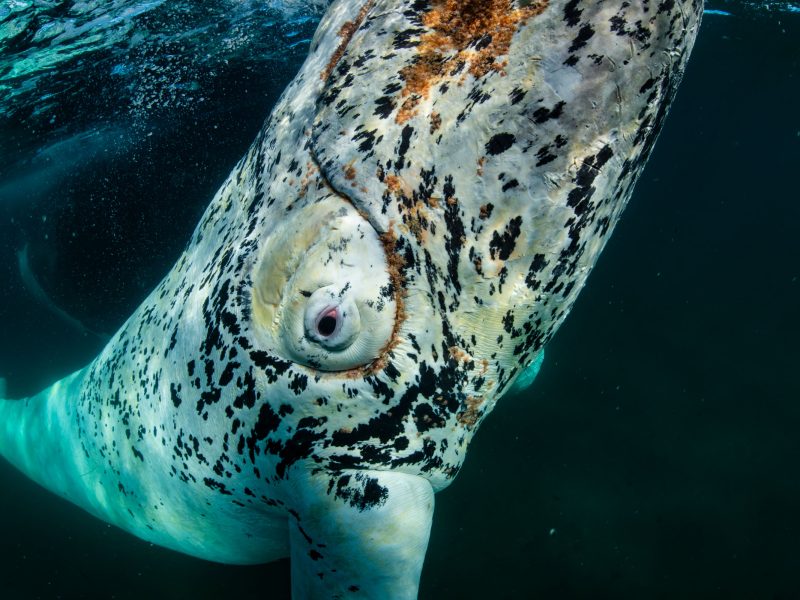
The Wonder of a Pale Whale
A curious calf with an atypical birthday suit is a good sign for southern right whales.