
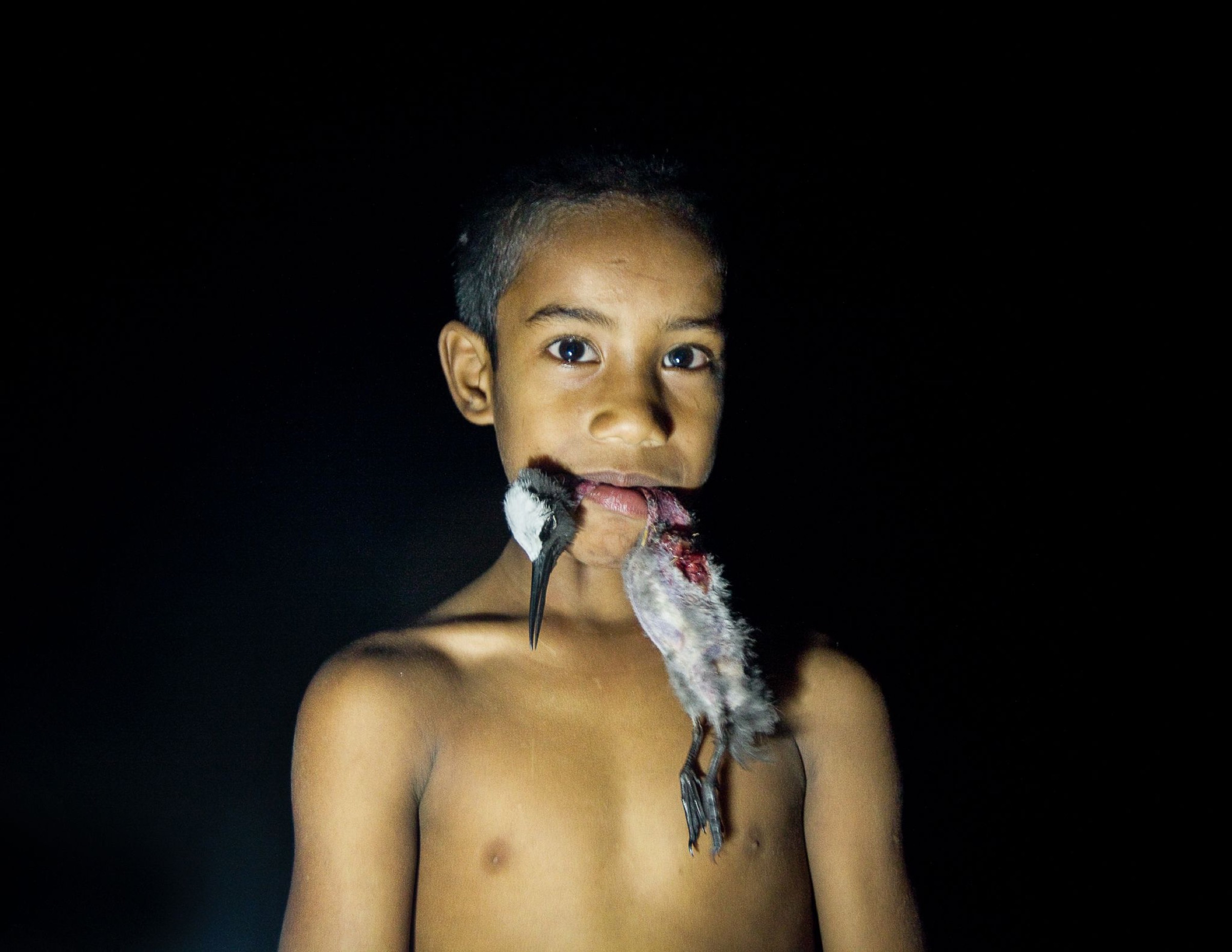
Photograph by Matthieu Paley
Story by Steven Bedard
Nauru, officially the Republic of Nauru is an island nation in Micronesia in the South Pacific. Nauru was declared independent in 1968 and it is the world’s smallest independent republic, covering just 21 square kilometers.
Nauru is a phosphate rock island and its economy depends almost entirely on the phosphate deposits that originate from the droppings of sea birds. Following its exploitation it briefly boasted the highest per-capita income enjoyed by any sovereign state in the world during the late 1960s and early 1970s.
In the 1990s, when the phosphate reserves were partly exhausted the government resorted to unusual measures. Nauru briefly became a tax haven and illegal money laundering centre. From 2001 to 2008, it accepted aid from the Australian government in exchange for housing a Nauru detention centre, with refugees from various countries including Afghanistan and Iraq.
Most necessities are imported on the island.
Nauru has parliamentary system of government. It had 17 changes of administration between 1989 and 2003. In December 2007, former weight lifting medallist Marcus Stephen became the President.
It’s a surprising technique to be sure, but it’s hard to argue with its efficiency. A swift bite to the neck and the quarry goes limp. While the kill may be simple, catching a night-flying black noddy (Anous minutus) is another matter—one that’s only become more challenging in recent decades for the noddy hunters of Nauru.
Black noddies are common on and around islands throughout the tropics, from Australia to Africa. In many places, the birds find an abundance of small fish, which they snatch from just beneath the ocean surface, as well as small trees in which to construct their nests. Such was the case on the South Pacific island of Nauru, too. For centuries, islanders here have used large nets to catch the birds as they fly in to their night roosts. But habitat loss and hunting pressure have taken a heavy toll.
The decline in Nauru’s noddy population is somewhat surprisingly connected to the island nation’s boom-and-bust economy. Between its independence in 1968 and the late 80s, Nauru enjoyed tremendous wealth, thanks to its abundance of phosphate—essentially the accumulation of centuries upon centuries of now-fossilized bird crap—which was mined and sold to other nations for fertilizer. At one point, thanks to phosphate, the world’s smallest independent nation was also one of the richest in per capita GDP.
By the late 90s, however, Nauru’s phosphate reserves were all but depleted, and their extraction had left the island’s fragile ecosystems in ruin. The forests that served as noddy rookeries weren’t spared. With its breeding grounds decimated, the noddy population here plummeted alongside Nauru’s economy. Meanwhile, with unemployment soaring, Nauruans were increasingly turning to noddy hunting as a means of supplementing their incomes and diets.
While many species would have succumbed to these pressures, the population here has benefited from the noddy’s wide distribution and natural tendency to fly long distances and colonize new islands. Studies of noddies banded elsewhere in the Pacific have found individuals on Nauru that hatched as far away as the Northwest Hawaiian Islands, more than 4,000 kilometers (2,485 miles) away. It’s not known whether immigrants like these have joined the breeding population, or whether the regular influx of new birds makes the current level of hunting pressure sustainable. But for now, Nauru’s noddies and the people they support are holding on by their teeth.
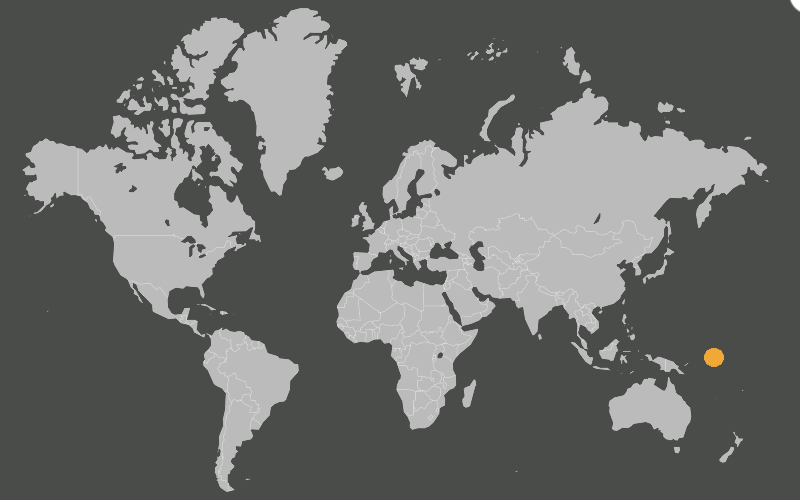
Nauru
Hi, I’m Dave, the executive director of bioGraphic. (And that’s my dog, Finn.) Thanks for taking the time to read this story.
Stories like this simply don’t get produced without financial support from readers like you. bioGraphic is an independent non-profit—we’re not backed by a private company or owned by a billionaire. One-quarter of our budget comes directly from reader donations.
bioGraphic publishes environmental reporting that you can’t find anywhere else: deeply researched, trustworthy stories that are also beautiful and captivating to read. Right now, we need your help to raise $30,000 by October 2. Every dollar will go directly to more crucial reporting projects.
Around the world, governments are slashing funding for conservation and scientific research, placing even more ecosystems and wildlife at risk. At bioGraphic, we’re steadfastly shining a light on the threats to our planet’s incredible biodiversity. And we’re showcasing the hard work of people bravely taking action to protect at-risk species.
bioGraphic offers an antidote to apathy and doom-and-gloom news by revealing the wonders of the natural world and focusing on real solutions to big problems. When you finish a bioGraphic story, we want to leave you feeling informed, delighted, and inspired.
We don’t run ads or hide our stories behind a paywall. The readers who generously support bioGraphic allow our work to remain free for everyone.
We reached our goal, but there’s time left. Will you help us smash our original goal and reach a new goal of $30,000 by October 2?

Related Articles
The Art of the Catch
To bulk up for winter hibernation, Alaska’s brown bears employ a range of techniques for snaring salmon.
The Wonder of a Pale Whale
A curious calf with an atypical birthday suit is a good sign for southern right whales.
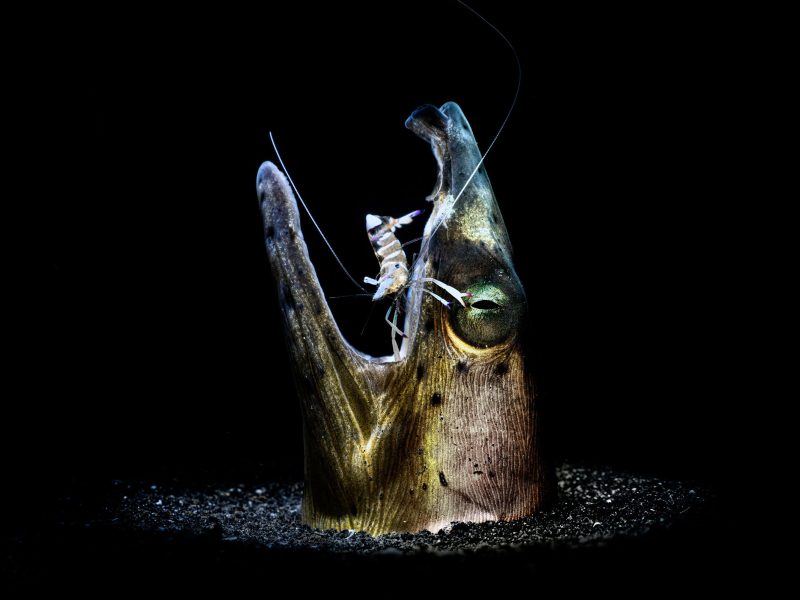
Saying “Ah!” at the Shrimp Spa
On coral reefs, an army of tiny cleaners eat their clients’ parasites, food particles, and dead skin, boosting biodiversity in the process.
