
Photograph by Tony Wu
Story by Steven Bedard
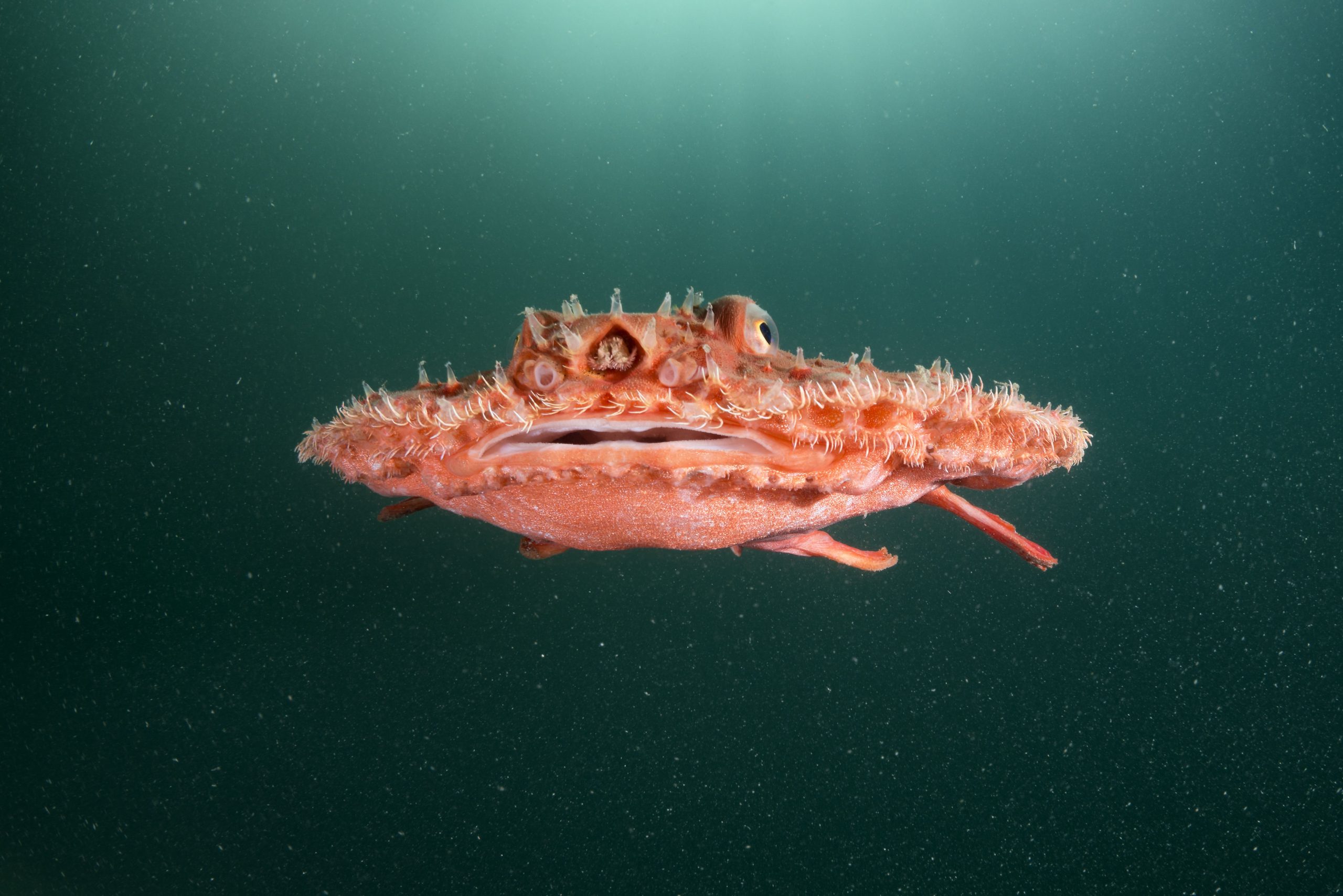
Like an alien craft emerging from a distant galaxy, this disc-shaped creature has entered some unfamiliar territory: the wide-open Pacific off the coast of Japan. The aptly named minipizza batfish (yes, minipizza, as in miniature pizza) is far more at home on the seafloor than it is swimming, or more accurately plummeting, through the water column. Which is why this individual—swept up in a fisherman’s net and cast overboard—was headed right back to the bottom when photographer Tony Wu captured its surreal image.
Like other batfishes, minipizza batfish (Halieutaea stellate) are clumsy, inefficient swimmers. Their stubby fins and vertically compressed bodies are far better suited to clambering over sand and rubble on the ocean floor, as well as hunkering down to avoid detection. Their color, too, is well adapted to the depths the fish typically inhabit, 50 meters (164 feet) or more beneath the surface. Brilliant as their pepperoni red may be when illuminated by the sun or a photographer’s strobes, the batfish look colorless when strolling along the deep sea floor, since longer (red and orange) wavelengths of light are absorbed much higher in the water column.
While minipizza batfish already possess a number of other common names, including red batfish, starry handfish, and starry seabat, Wu suggests in a blog post that another, longer name might better capture the species’ true essence. He proposes “minipizza-batfish-with-funny-flippers-that-waddles-more-than-swims-and-sometimes-flattens-itself-to-be-inconspicious-and-at-other-times-stands-on-its-fins-to-gain-(self-perceived)-high-ground-advantage.” Sure, it’s a mouthful, but what more do you need to know?

Off the coast of Shikoku, Japan
Hi, I’m Dave, the executive director of bioGraphic. (And that’s my dog, Finn.) Thanks for taking the time to read this story.
Stories like this simply don’t get produced without financial support from readers like you. bioGraphic is not backed by a private company or owned by a billionaire. It’s an independent, nonprofit magazine. And one-quarter of our annual budget comes directly from reader donations.
We need your support more than ever, as governments slash funding for conservation and scientific research, placing even more ecosystems and wildlife at risk around the world. At bioGraphic, we’re steadfastly shining a light on the threats to our planet’s incredible biodiversity. And we’re showcasing the hard work of people bravely taking action to protect at-risk species.
bioGraphic publishes environmental reporting that you can’t find anywhere else: deeply researched, trustworthy stories that are also beautiful and captivating to read. We offer an antidote to reader apathy and doom-and-gloom news by revealing the wonders of the natural world and focusing on real solutions to big problems. When you finish a bioGraphic story, we want to leave you feeling informed, delighted, and inspired.
We don’t run ads or hide our stories behind a paywall. The readers who generously support bioGraphic allow our work to remain free for everyone.
Will you help us keep telling these crucial stories?

Authors


Related Articles
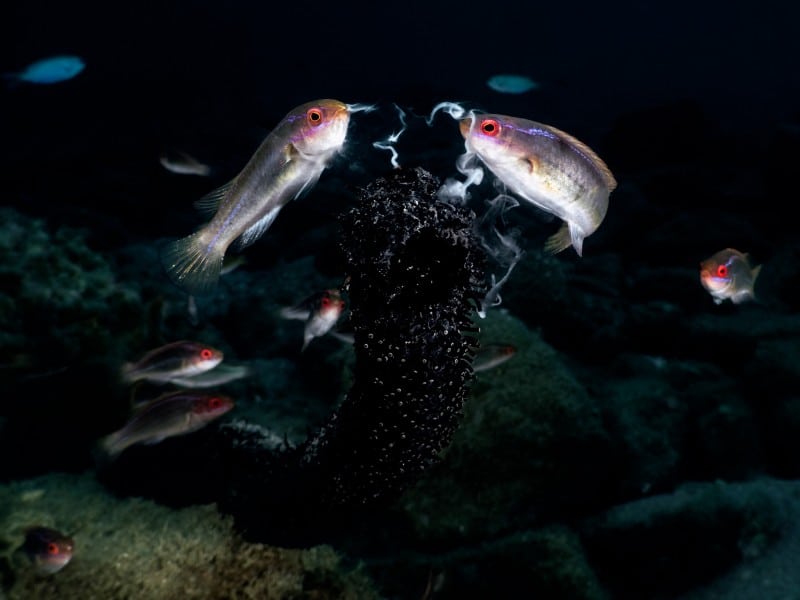
Milt Meal
Marine creatures will do almost anything for a meal—including feasting on the sperm and eggs of spawning invertebrates.
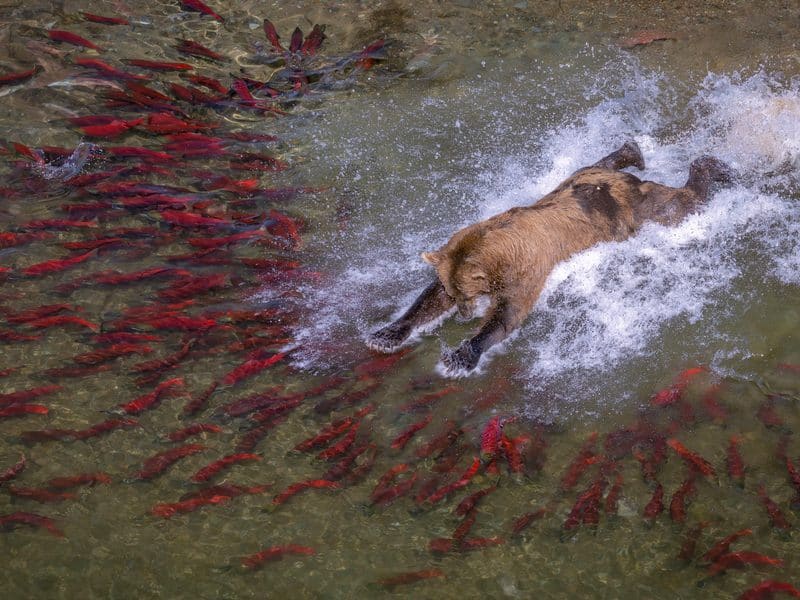
The Art of the Catch
To bulk up for winter hibernation, Alaska’s brown bears employ a range of techniques for snaring salmon.
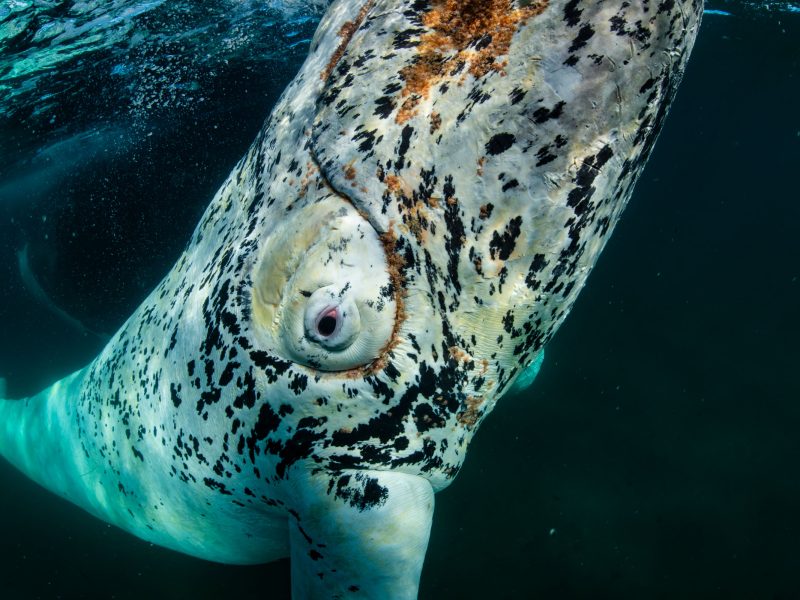
The Wonder of a Pale Whale
A curious calf with an atypical birthday suit is a good sign for southern right whales.