
Photograph by Chien C. Lee
Story by Steven Bedard

There’s a natural order to the world. Oak leaves absorb sunlight; flamingos filter shrimp; leopards stalk springboks; and urban raccoons fish french fries out of garbage cans. Simple, intuitive, orderly.
Sometimes, though, circumstances in nature reveal rules that most of us never would have expected. Take this huntsman spider (Sparassidae), for example. When wildlife photographer Chien C. Lee encountered the arachnid in the Akanin’ny Nofy Reserve along Madagascar’s east coast, he made a surprising discovery. Peering out from the clutches of the spider’s menacing mandibles was a recognizable face, that of a juvenile peacock day gecko (Phelsuma quadriocellata)—a fellow vertebrate—its body death-wrapped in silk. It was a startling sight, but not a particularly unusual one.
In nature, it turns out, size often trumps taxonomy. Yes, lizards regularly eat insects and arachnids. But some spiders (large ones) and a wide variety of other arthropods also routinely prey on lizards—and fish, and birds, and rodents, and bats. In fact, scientists have found that in some ecosystems, invertebrate predators can have a significant impact on the populations of their vertebrate prey.
Like all predators, invertebrate hunters rely on a variety of adaptations to gain an advantage over their quarry. Some use venom or elaborate silk webs to catch and subdue their prey. Ambush predators, like the huntsman, rely on stealth and lightning-fast strikes. Regardless of the strategy an arachnid employs, though, the decision about whether or not to pounce may be driven mostly by the size of the prey animal. For the huntsman, if it’s small enough to catch and overpower, it’s fair game—regardless of its position on the tree of life.

Akanin’ny Nofy Reserve, Madagascar
Hi, I’m Dave, the executive director of bioGraphic. (And that’s my dog, Finn.) Thanks for taking the time to read this story.
Stories like this simply don’t get produced without financial support from readers like you. bioGraphic is an independent non-profit—we’re not backed by a private company or owned by a billionaire. One-quarter of our budget comes directly from reader donations.
bioGraphic publishes environmental reporting that you can’t find anywhere else: deeply researched, trustworthy stories that are also beautiful and captivating to read. Right now, we need your help to raise $30,000 by October 2. Every dollar will go directly to more crucial reporting projects.
Around the world, governments are slashing funding for conservation and scientific research, placing even more ecosystems and wildlife at risk. At bioGraphic, we’re steadfastly shining a light on the threats to our planet’s incredible biodiversity. And we’re showcasing the hard work of people bravely taking action to protect at-risk species.
bioGraphic offers an antidote to apathy and doom-and-gloom news by revealing the wonders of the natural world and focusing on real solutions to big problems. When you finish a bioGraphic story, we want to leave you feeling informed, delighted, and inspired.
We don’t run ads or hide our stories behind a paywall. The readers who generously support bioGraphic allow our work to remain free for everyone.
We reached our goal, but there’s time left. Will you help us smash our original goal and reach a new goal of $30,000 by October 2?

Related Articles
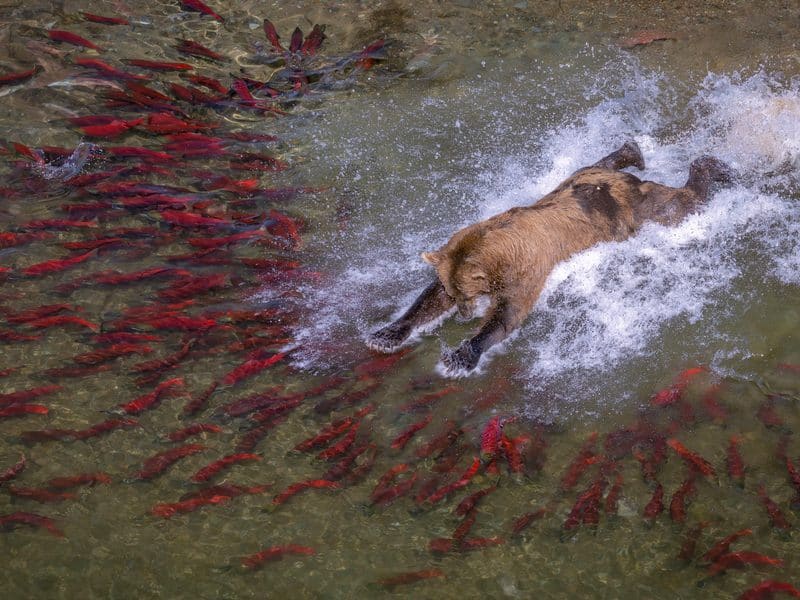
The Art of the Catch
To bulk up for winter hibernation, Alaska’s brown bears employ a range of techniques for snaring salmon.
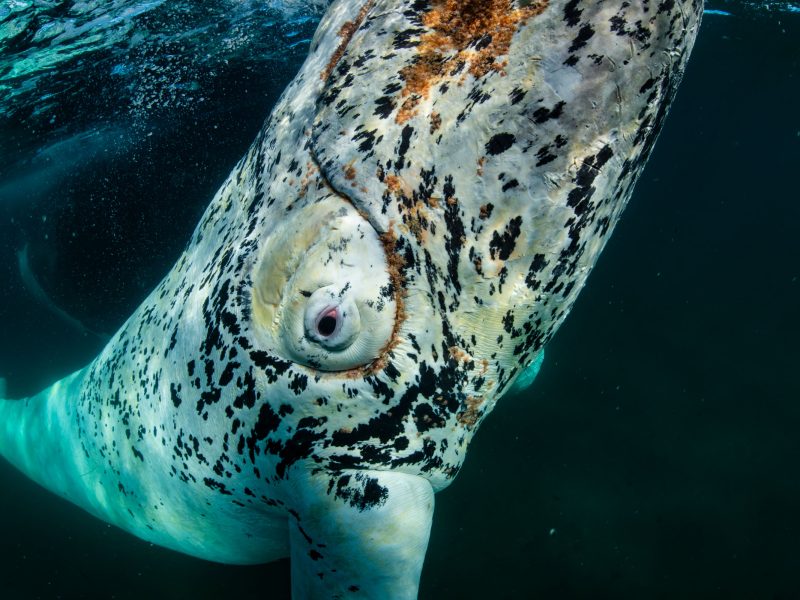
The Wonder of a Pale Whale
A curious calf with an atypical birthday suit is a good sign for southern right whales.
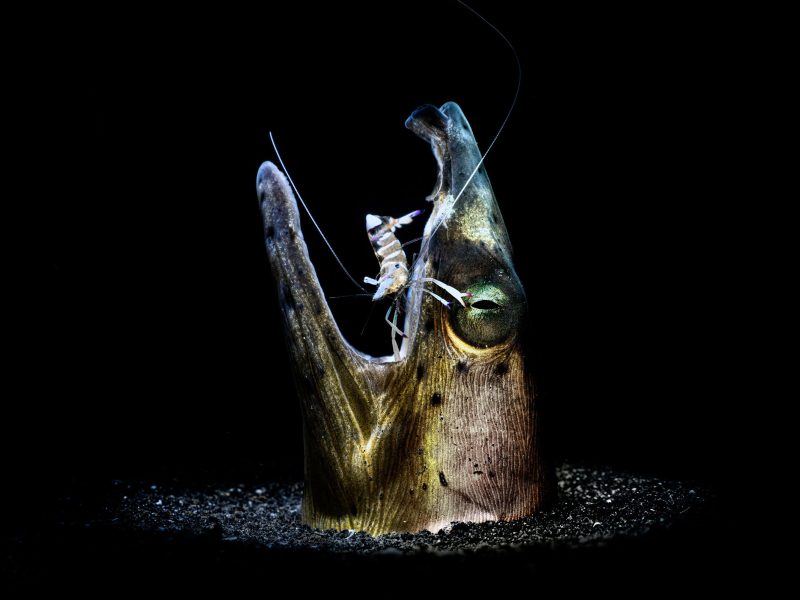
Saying “Ah!” at the Shrimp Spa
On coral reefs, an army of tiny cleaners eat their clients’ parasites, food particles, and dead skin, boosting biodiversity in the process.
