Singing Teachers for Honeyeaters
Scientists have saved the song of a critically endangered Australian bird by recruiting wild males to tutor zoo-born babies.

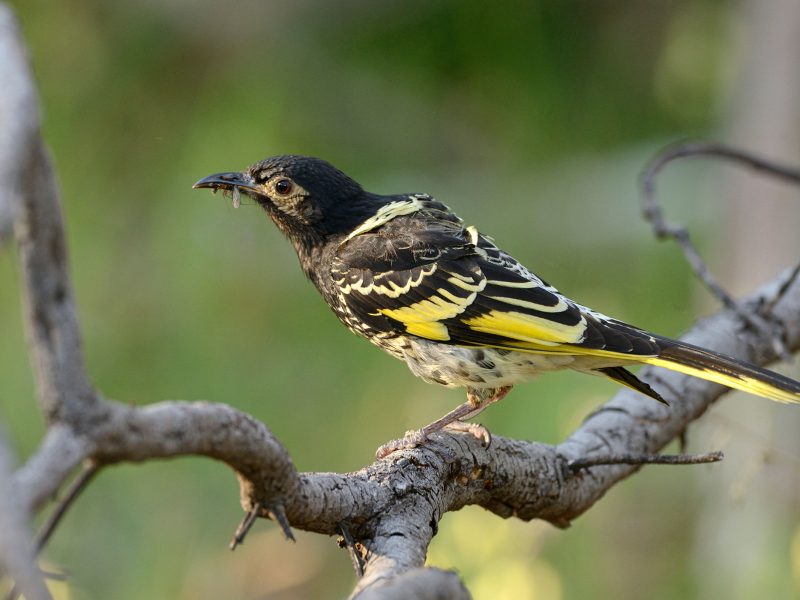
Scientists have saved the song of a critically endangered Australian bird by recruiting wild males to tutor zoo-born babies.
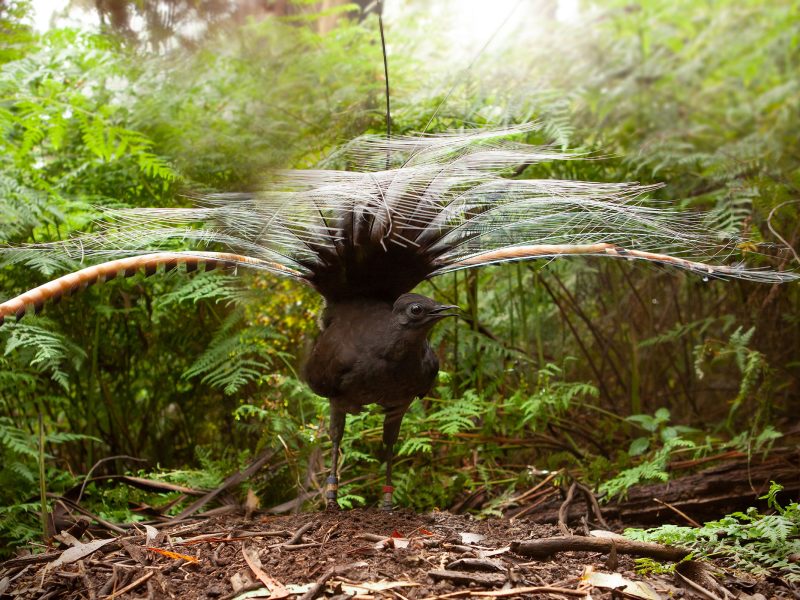
New research shows that superb lyrebirds dig in the dirt to create habitat for other species—and to sate their own appetites.

With their astounding sense of smell and ability to find what humans can’t see, dogs are quickly becoming some of conservationists’ best friends.

Researchers have long assumed that only male birds sing. But evidence increasingly shows that females do as well. Now, scientists are studying a sensational singer in Australia to suss out why.

The ancient relationship between the mountain pygmy possum and the bogong moth reveals the complexity of global climate change—and the lengths people may have to go to save some species from extinction.

Swaddled symbols of hope and regeneration, orphaned flying foxes rest up and grow, preparing for their role as some of Australia’s most important forest stewards.
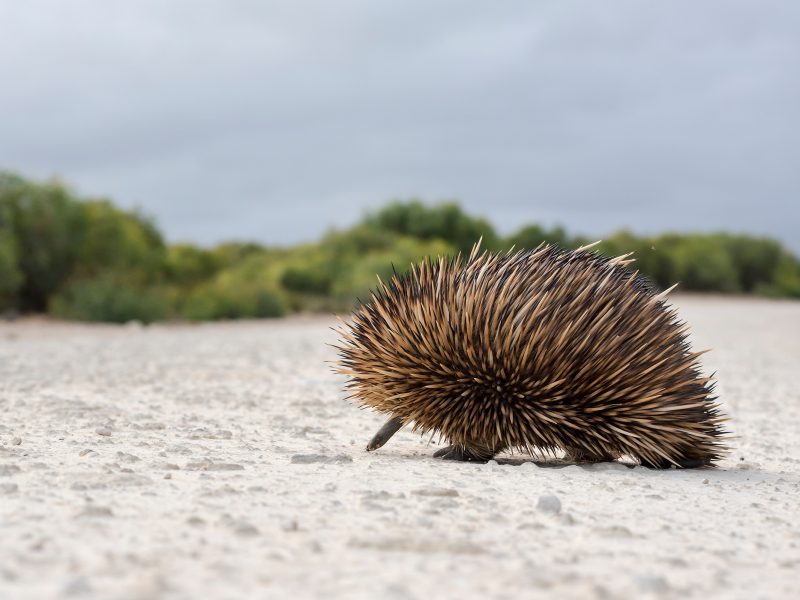
The Kangaroo Island echidna may seem bizarre, but the spiky mammal’s quirks have helped it survive cataclysmic change.
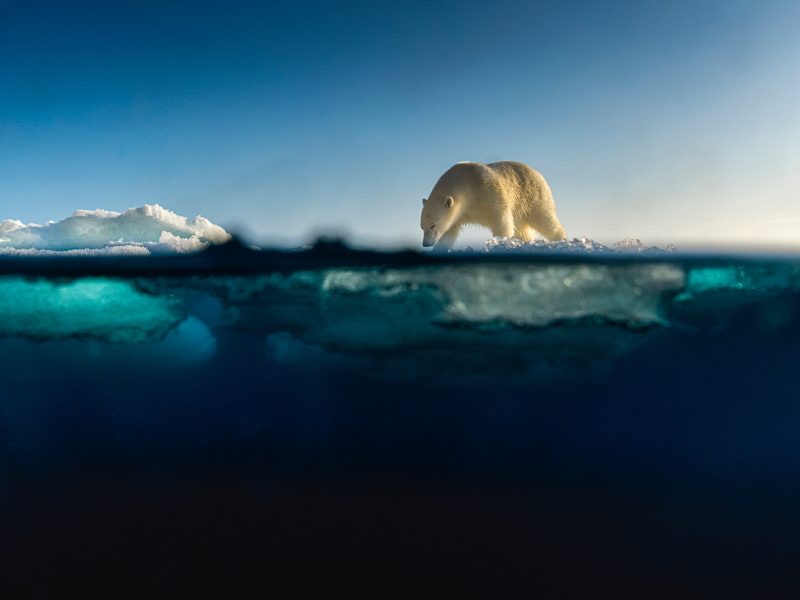
Against the backdrop of a world so thoroughly altered by humankind, Emma Marris's latest book, Wild Souls, challenges our assumptions about nature and how we protect it.

Multitasking bat moms carry their nursing pups underwing all while navigating a growing array of threats in the Australian forests they call home.
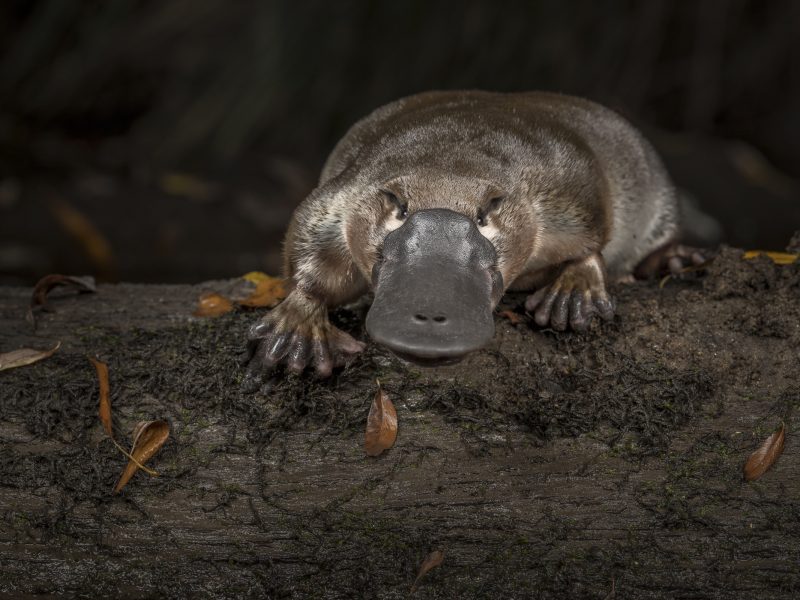
The more scientists learn about this strange, elusive species, the more concerned they become about its future. But these new insights may ultimately help to save it.