Fire Island Has Gone to the Cats
In New York’s only federal wilderness area, the loss of a key predator has led to the rise of a new one—with dire consequences for the island’s native birds.


In New York’s only federal wilderness area, the loss of a key predator has led to the rise of a new one—with dire consequences for the island’s native birds.

These solitary bees rely on deceit to provide for their offspring.
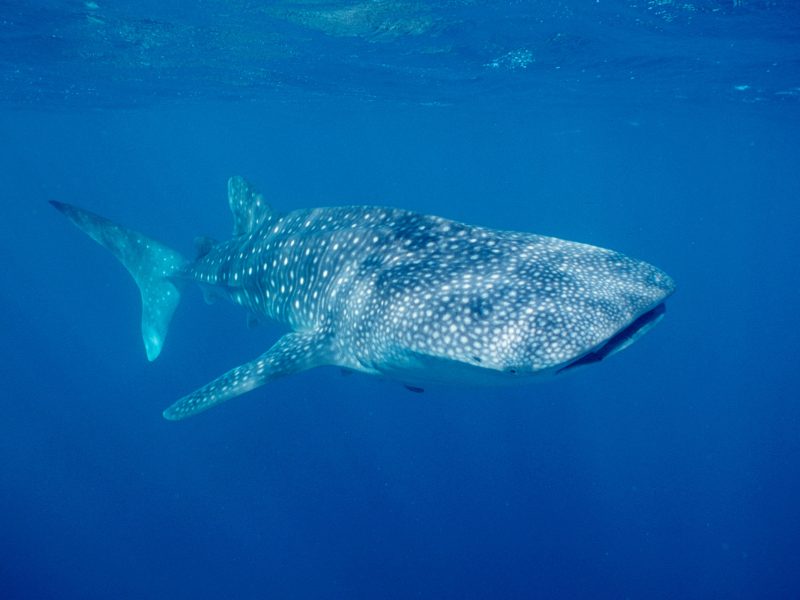
Whale shark babies seem to find safety in dangerous oxygen minimum zones.

Plants around the world are adapting their reproductive strategies to survive on an increasingly urban planet.

In Tanzania’s Gombe National Park, chimpanzee mothers keep their offspring close—for years—teaching them what they need to know. They’ve taught us a great deal, too.
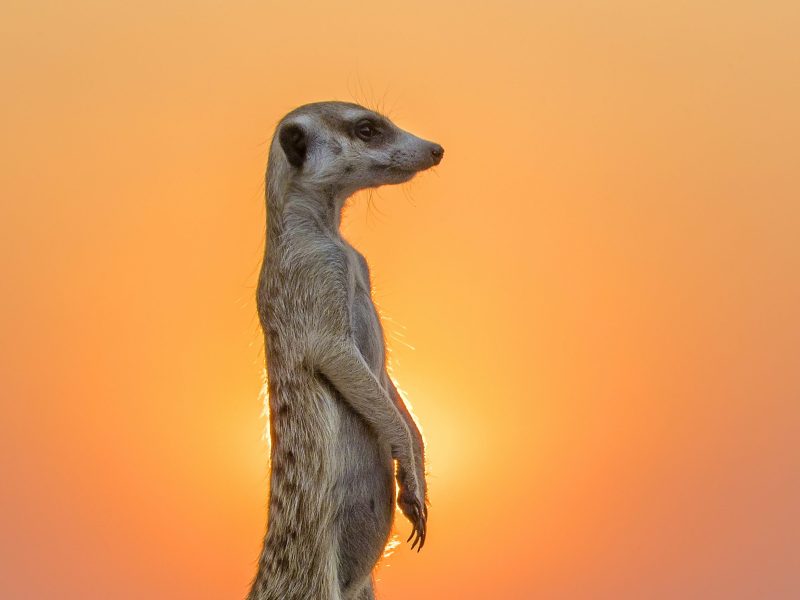
Meerkats are famous for their teamwork, but their communal behavior is enforced by a matriarch with an iron fist.

South America’s broad-snouted caiman is a fierce mother—and has been fiercely mothered back into abundance.
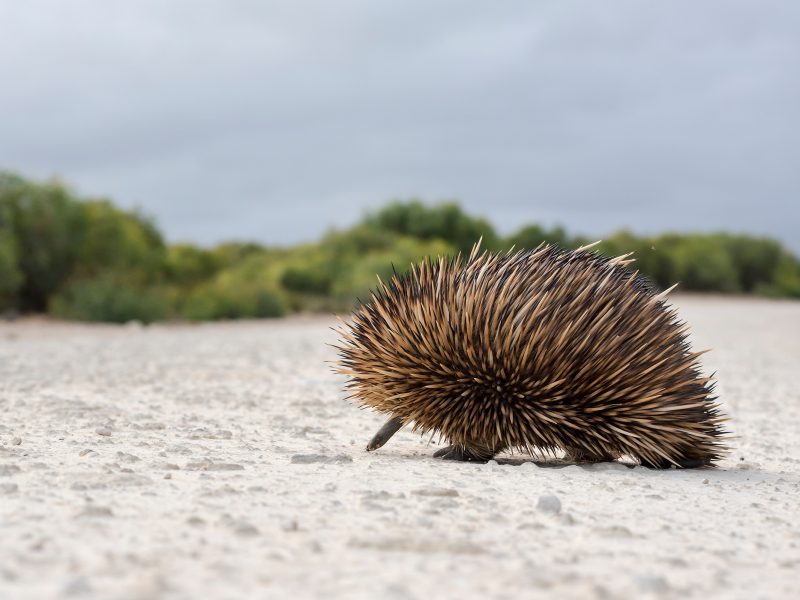
The Kangaroo Island echidna may seem bizarre, but the spiky mammal’s quirks have helped it survive cataclysmic change.
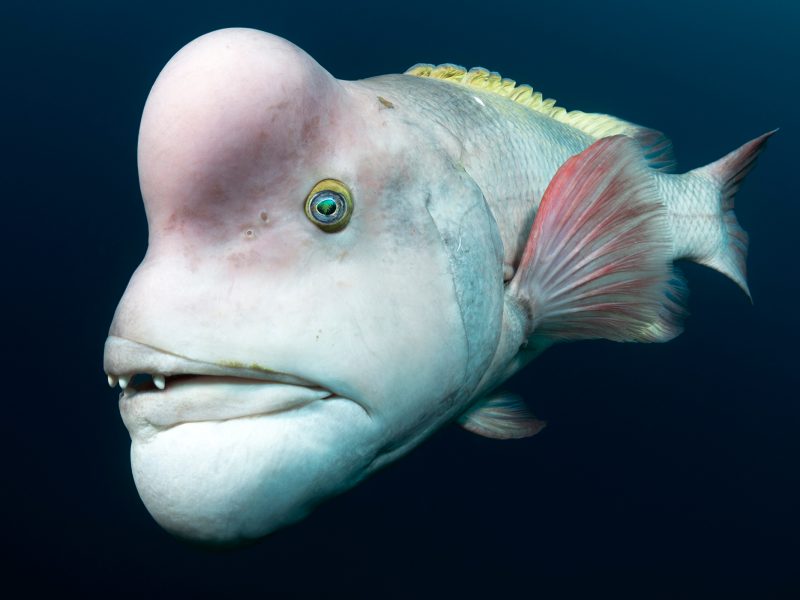
While the Asian sheepshead wrasse’s allure may be debatable, the fish’s color-changing, sex-changing abilities are hard to disregard.

Paired black-browed albatrosses perform elaborate bonding rituals, but climate change may lead to higher divorce rates.