
Photograph by Filippo Borghi
Story by Steven Bedard
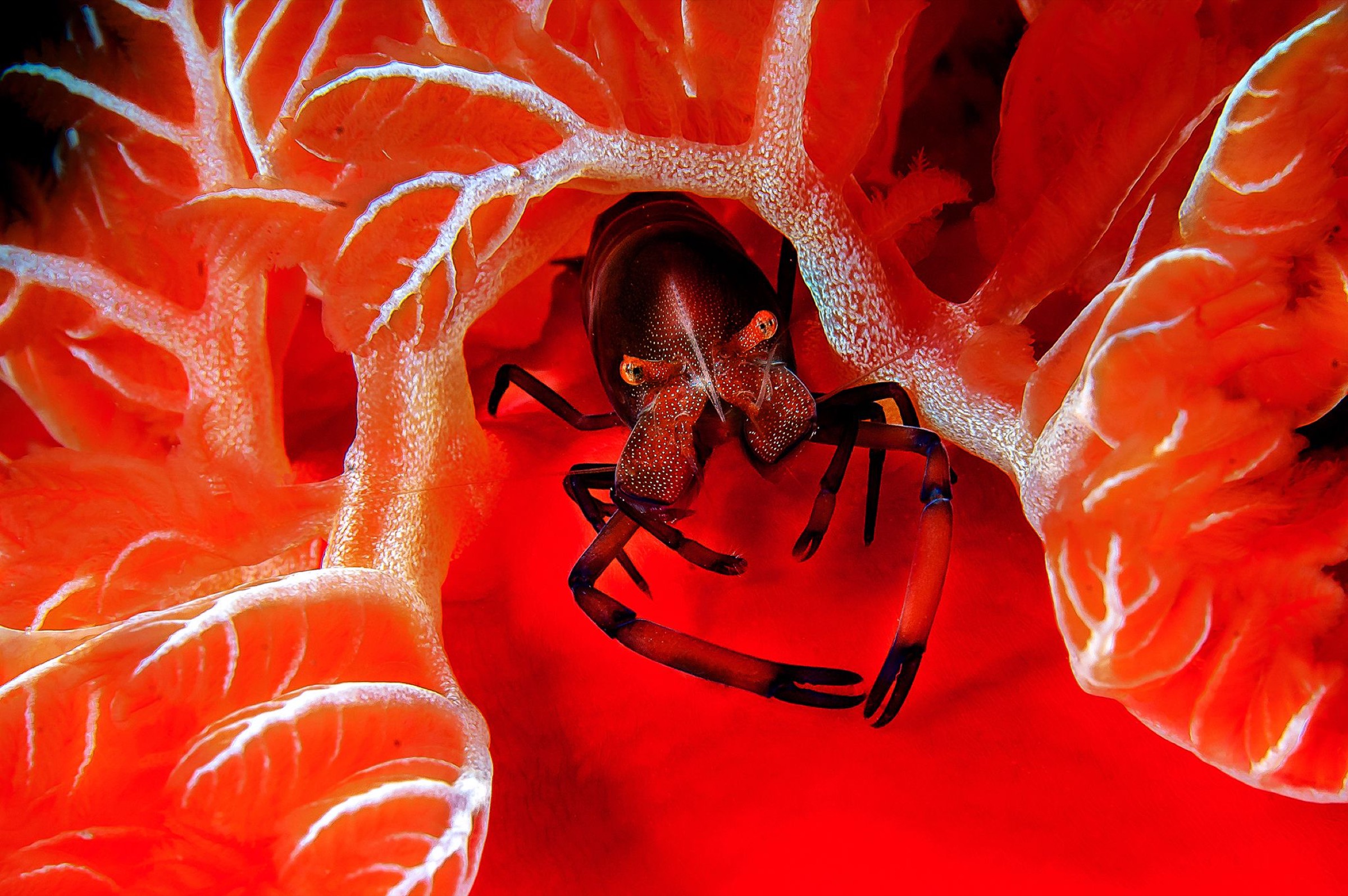
Caption: Imperator Shrimp Red Sea Tra Le Branchie Nikon D300
Category: Insects, Reptiles, Marine Mammals, Fish and Amphibians
Photographer: filippo borghi
Taken on: 7/7/2010
Email: filippoborghi5@gmail.com
Address: via s.eugenia,56, siena, italy, 53100, Italy
Telephone: +393351997133
Coral reefs are among the most biologically diverse ecosystems on the planet. In the Red Sea, where photographer Filippo Borghi captured this shot, countless reef creatures literally live on top of one another. In some cases, this stacked way of life is purely the result of competition for limited space along the ocean floor. Often, however, cohabitation serves one of two basic functions: giving access to food or providing protection. For the emperor shrimp (Periclimenes imperator)—seen here crouched among the gills of a Spanish dancer nudibranch (Hexabranchus sanguineus)—it serves both.
Emperor shrimp make their way through life on the backs of other creatures—usually slow-moving invertebrates like sea cucumbers and large nudibranchs (also known as sea slugs). From these mobile vantage points, the tiny shrimp, which measure no more than 1.9 centimeters (0.75 inches), gain access to a steady stream of nutrients while remaining in sheltered disguise. Quick to snatch tiny invertebrates and bits of detritus stirred up by their transportation, the shrimp also keep the surface of the host organism free of parasites. And for this little hitchhiker, few places in the open ocean provide better cover than the gills of the Spanish dancer. Because of their strikingly similar hues, the shrimp blends almost perfectly into the sea slug’s gill folds, which flutter like the ruffles of a gown in the ocean current. The host’s bright red coloration also offers an added layer of protection, warning of the toxins its tissues contain. Most would-be predators allow the nudibranch and its passenger to pass by without a second look.
This photograph was a finalist in the California Academy of Sciences’ BigPicture 2014 Photography Competition.
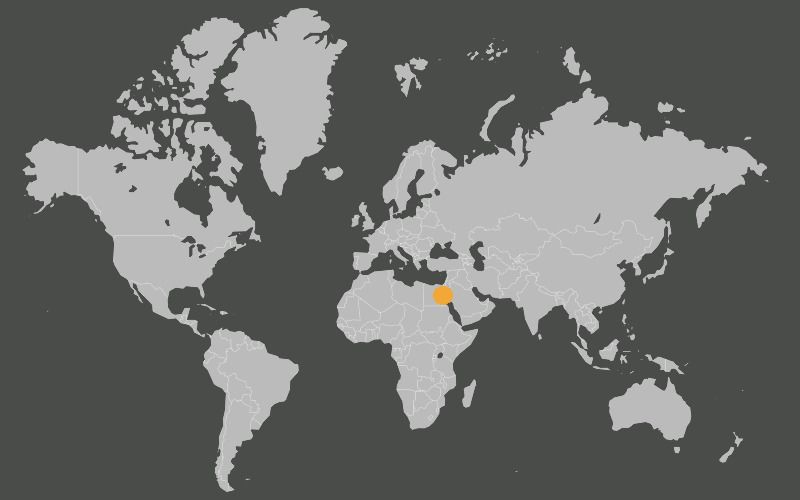
Red Sea, Egypt
Hi, I’m Dave, the executive director of bioGraphic. (And that’s my dog, Finn.) Thanks for taking the time to read this story.
Stories like this simply don’t get produced without financial support from readers like you. bioGraphic is an independent non-profit—we’re not backed by a private company or owned by a billionaire. One-quarter of our budget comes directly from reader donations.
bioGraphic publishes environmental reporting that you can’t find anywhere else: deeply researched, trustworthy stories that are also beautiful and captivating to read. Right now, we need your help to raise $30,000 by October 2. Every dollar will go directly to more crucial reporting projects.
Around the world, governments are slashing funding for conservation and scientific research, placing even more ecosystems and wildlife at risk. At bioGraphic, we’re steadfastly shining a light on the threats to our planet’s incredible biodiversity. And we’re showcasing the hard work of people bravely taking action to protect at-risk species.
bioGraphic offers an antidote to apathy and doom-and-gloom news by revealing the wonders of the natural world and focusing on real solutions to big problems. When you finish a bioGraphic story, we want to leave you feeling informed, delighted, and inspired.
We don’t run ads or hide our stories behind a paywall. The readers who generously support bioGraphic allow our work to remain free for everyone.
We reached our goal, but there’s time left. Will you help us smash our original goal and reach a new goal of $30,000 by October 2?

Related Articles
The Art of the Catch
To bulk up for winter hibernation, Alaska’s brown bears employ a range of techniques for snaring salmon.
The Wonder of a Pale Whale
A curious calf with an atypical birthday suit is a good sign for southern right whales.
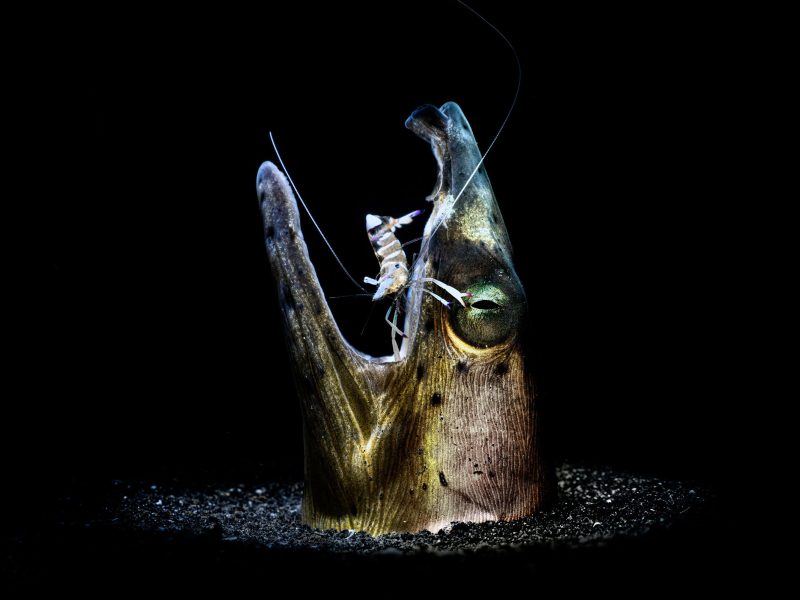
Saying “Ah!” at the Shrimp Spa
On coral reefs, an army of tiny cleaners eat their clients’ parasites, food particles, and dead skin, boosting biodiversity in the process.
