Life Finds a Way, Even on Inactive Hydrothermal Vents
In the darkness of the deep sea, animals flourish on hydrothermal vents that have gone cold.


In the darkness of the deep sea, animals flourish on hydrothermal vents that have gone cold.
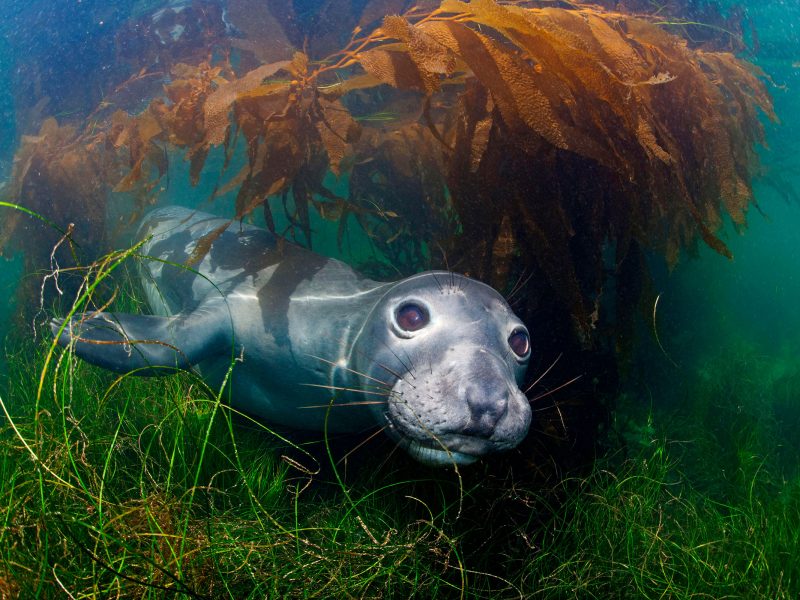
Counting deep-sea fish is difficult, but elephant seals can make it easier.

The genetic bounty of the deep sea is being patented by a handful of multinationals.

By sinking a wide array of carcasses into the deep ocean and studying what turns up when they fall, scientists are learning about some of the world’s most exotic scavengers and the roles they play in the darkness.

Mesmerizing bioluminescence is a rare trait—and a clever lure—for this deep-sea drifter.
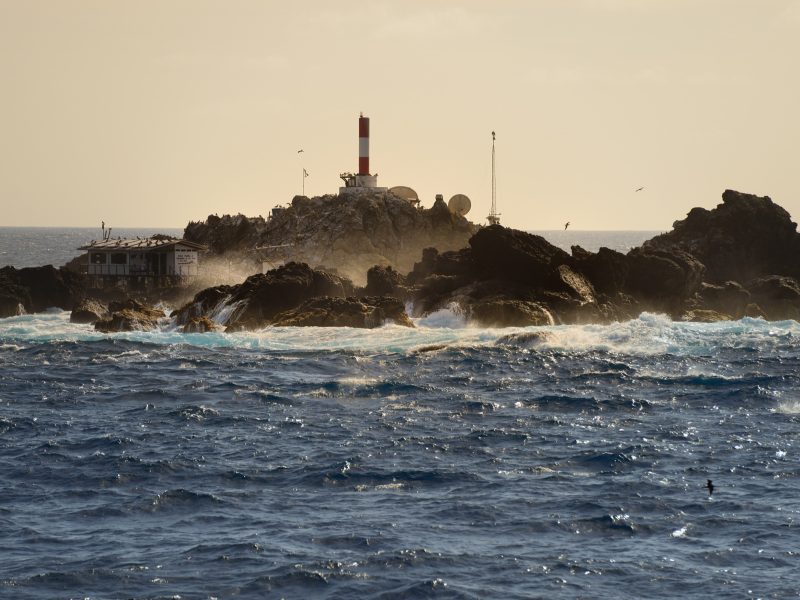
To learn how life on Earth first began—and how it might evolve elsewhere in the universe—scientists are probing rocks deep beneath the ocean's surface.
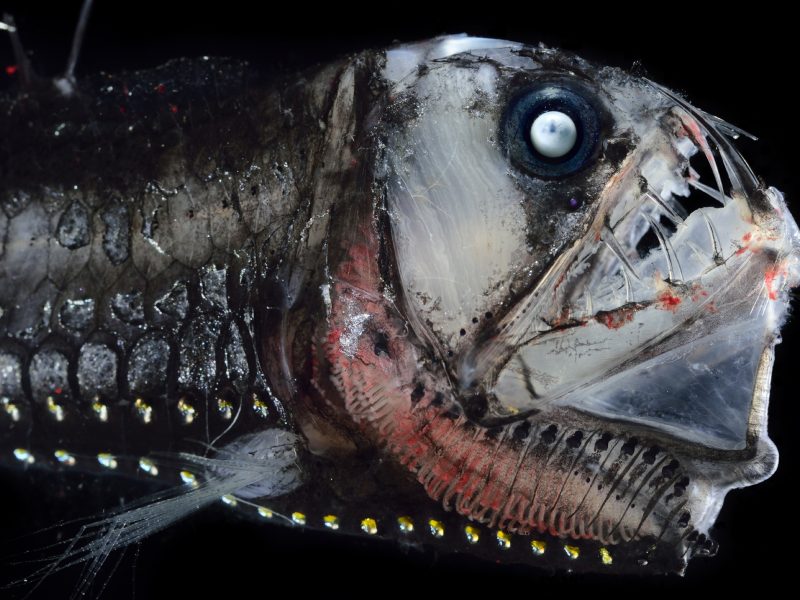
From transparent bodies and glowing appendages to motion-sensing cells, these denizens of the deep are highly adapted for life in a world without light.