Bigger, Hotter, Faster
The wildfires of tomorrow will be like nothing we’ve ever seen. But the debates they’ll spark have already been raging for more than a century.


The wildfires of tomorrow will be like nothing we’ve ever seen. But the debates they’ll spark have already been raging for more than a century.

Gypsy moths have been gaining ground in North American forests for 150 years. Can a caterpillar-melting virus keep them in check?

What's a community to do when outside forces and ecological realities threaten the very industry on which it's built?

Clearcutting ancient trees in Alaska’s Tongass National Forest makes little sense—ecologically, climatically, perhaps even economically. So why is it so hard to stop?
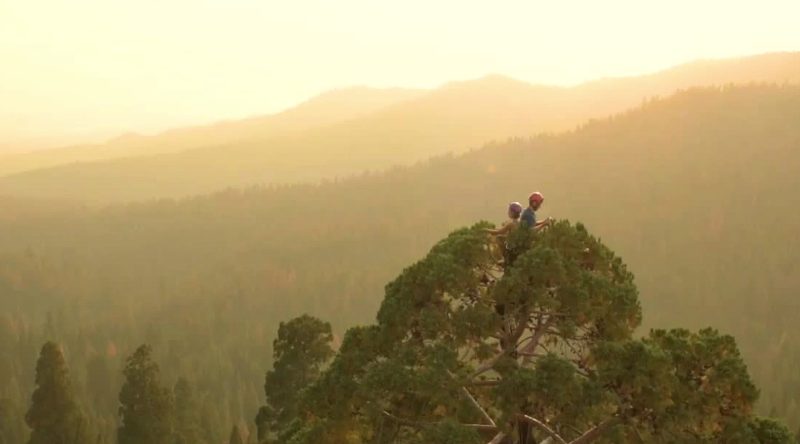
Since 2011, drought and pestilence have killed more than 100 million trees in California. What does that mean for the fate of the world’s largest tree, the giant sequoia?
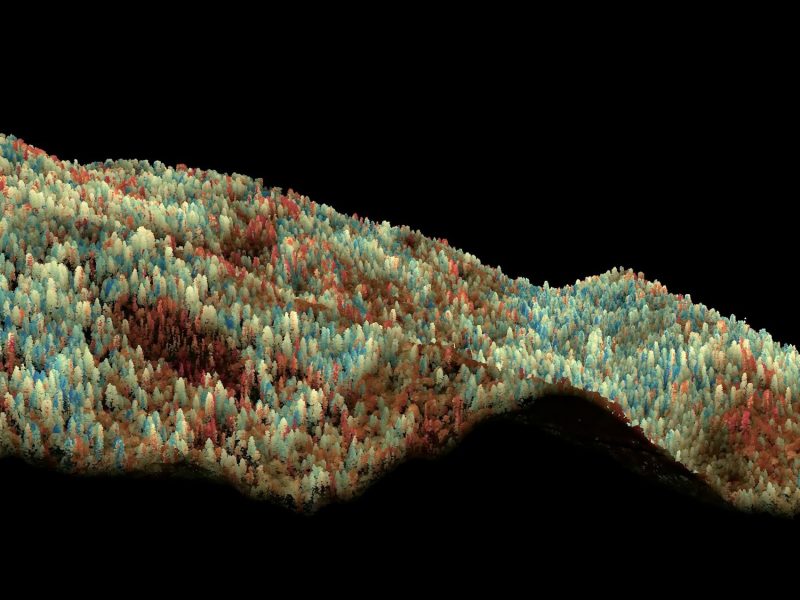
A record-setting dry spell is transforming California’s forests—and in this case, colorful foliage is not a good thing.

As the trees at the heart of America’s western wilderness are dying, ecologists are trying to grow their way out of the problem.

The latest conservation conflicts pit one species against another. To save an iconic bird in the Pacific Northwest, the government is taking no chances—and no prisoners.
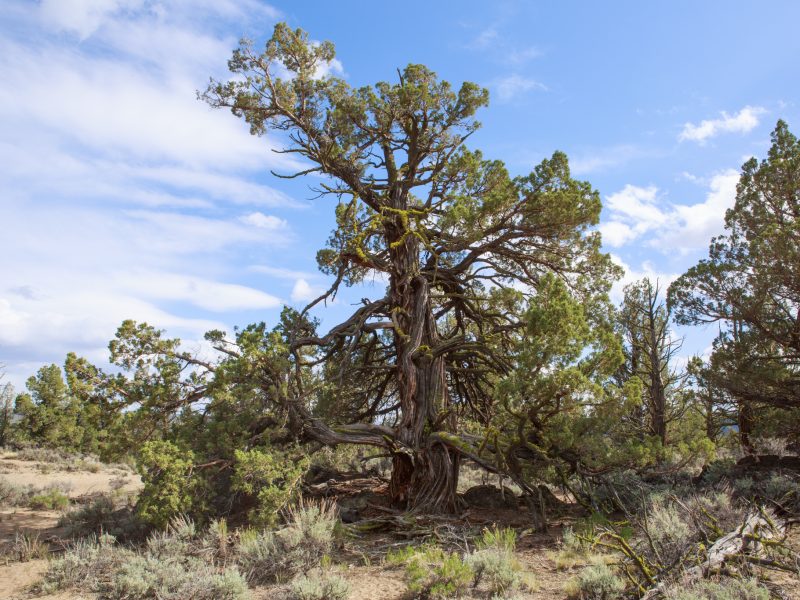
Both native and invasive—protected and reviled—western junipers are a living contradiction.

Nature could soon be imperiled by twice as many vehicles and enough new roads to encircle the planet more than 600 times.

We’re 45 percent of the way there! Help us reach $20,000 by October 2.