Parental Periscope
In Brazil, intact populations of capybaras and jaguars lead to surprising interactions—and remarkable adaptations.

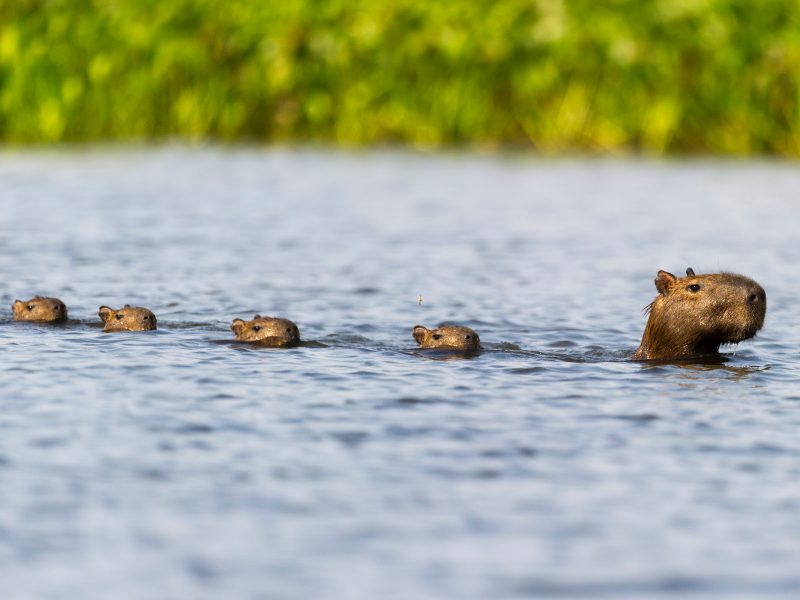
In Brazil, intact populations of capybaras and jaguars lead to surprising interactions—and remarkable adaptations.

Pesky or adorable as it may be, roughhousing with her sleepy mom is an important way for this leopard cub to learn crucial survival skills.

Unlike their more iconic cousins, diminutive northern pygmy owls occasionally manage to raise families in urban forests—some little more than a stone’s throw from the local café.

Spotted eagle rays’ distinctive markings are turning out to be important identifiers, and may become essential for their protection.

While this highly adapted fish peers out on its prey- and predator-rich surroundings, shapeshifting, pigmented cells enable it to all but disappear into its environment.

A striped marlin slices through a shoal of baitfish, a beautiful reminder of the struggle between predator and prey—as well as the fragility and importance of healthy ecosystems.

Although we’ve marveled over carnivorous plants for centuries, the plants’ penchant for vertebrate flesh has been largely overlooked.

It turns out some contests between predators and their prey are more genetically determined than others.
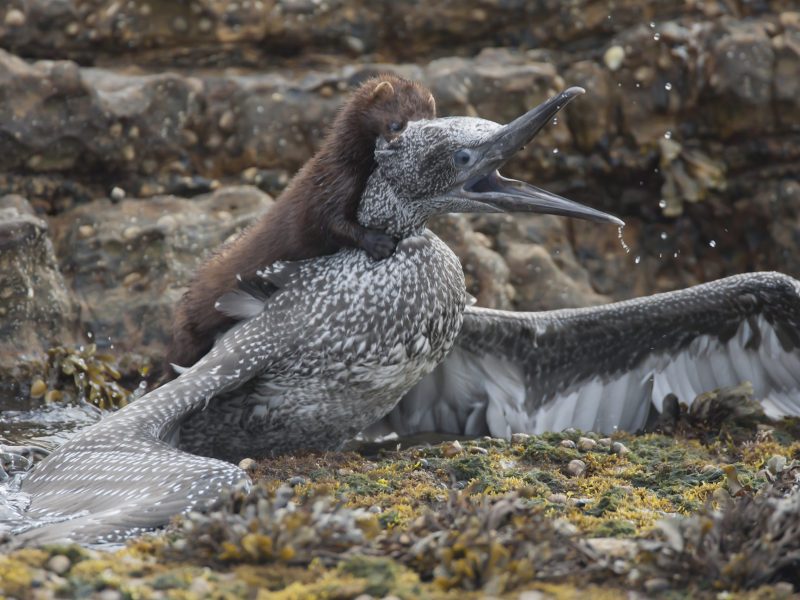
Invasive American mink, having escaped from British fur farms over the past century, are now wreaking havoc on native species—but this lucky gannet got away.
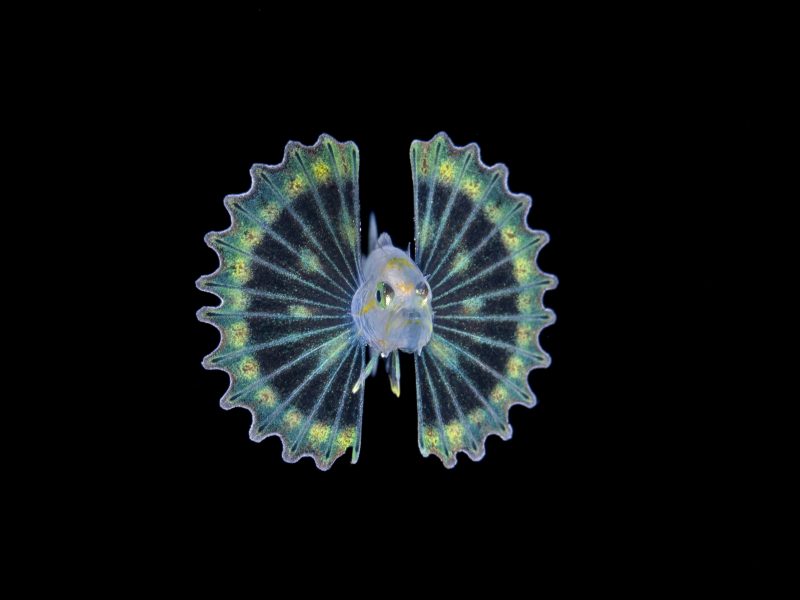
Lionfish are hungry, long-lived, and extremely fertile invaders in their new-found Atlantic home.