Scuba Flies
In California’s Mono Lake—whose alkaline waters are deadly to most insects—these diving flies don’t just survive; they thrive.


In California’s Mono Lake—whose alkaline waters are deadly to most insects—these diving flies don’t just survive; they thrive.
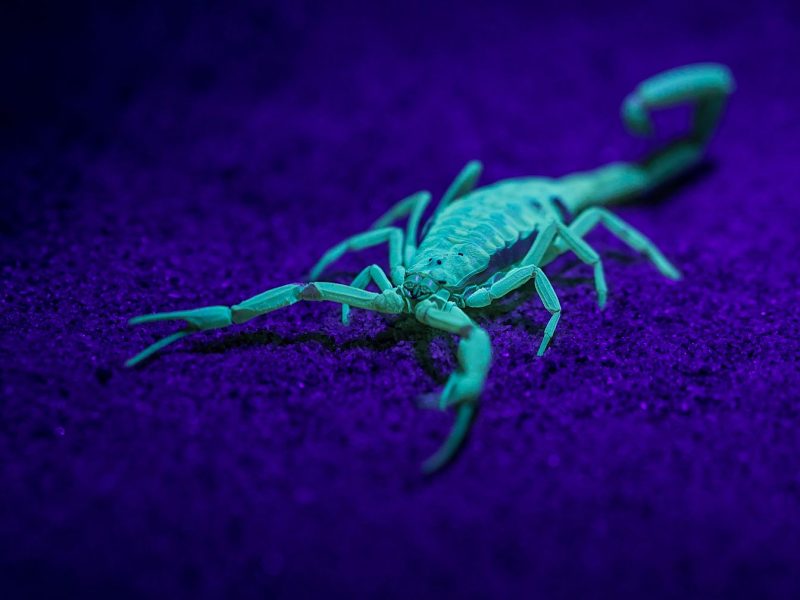
A group of scorpions is evolving increasingly deadly toxins, and scientists might finally know how and why.

The smallest chameleons on Earth perform one of the most explosive movements in the animal kingdom.

A simple lifeform, prevalent in freshwater pools the world over, could reveal the secret to ever-lasting life.

Something strange is happening off the northern coast of Norway—transforming natural enemies into unlikely partners.
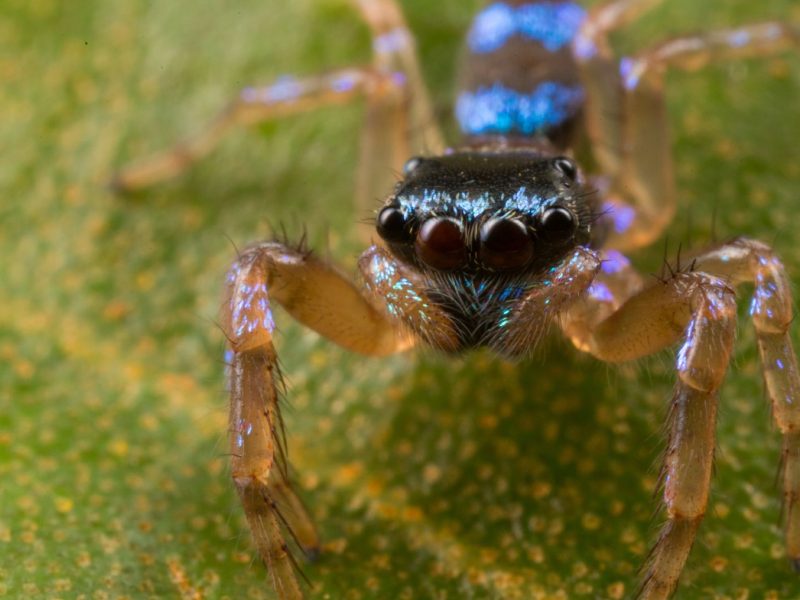
Just minutes from a major metropolis, Malaysia’s Penang Hill rainforest boasts some of the richest backyard biodiversity on the planet.
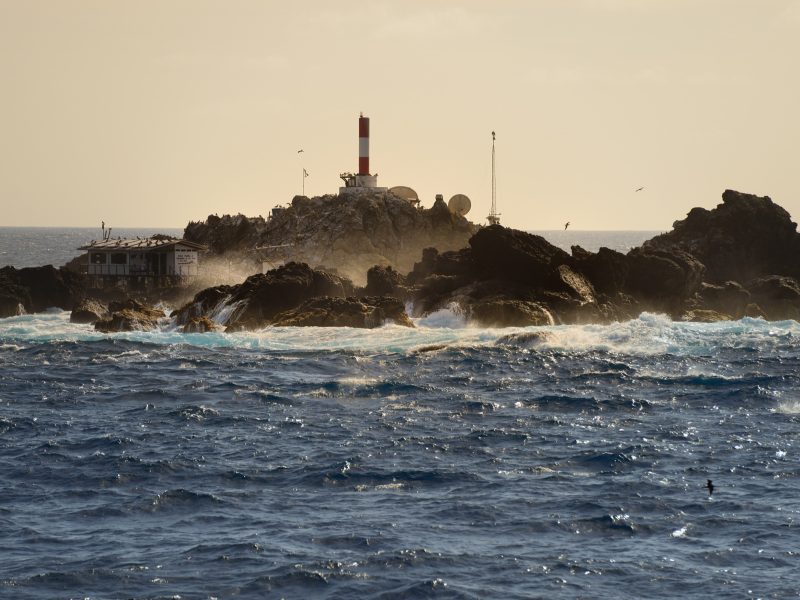
To learn how life on Earth first began—and how it might evolve elsewhere in the universe—scientists are probing rocks deep beneath the ocean's surface.

Under cover of subtlety and slow-motion, plants not only perceive the organisms around them, they respond—and in some cases, prepare for battle.

The secret to this squid’s disguise lies in its relationship with a smaller, brighter species.
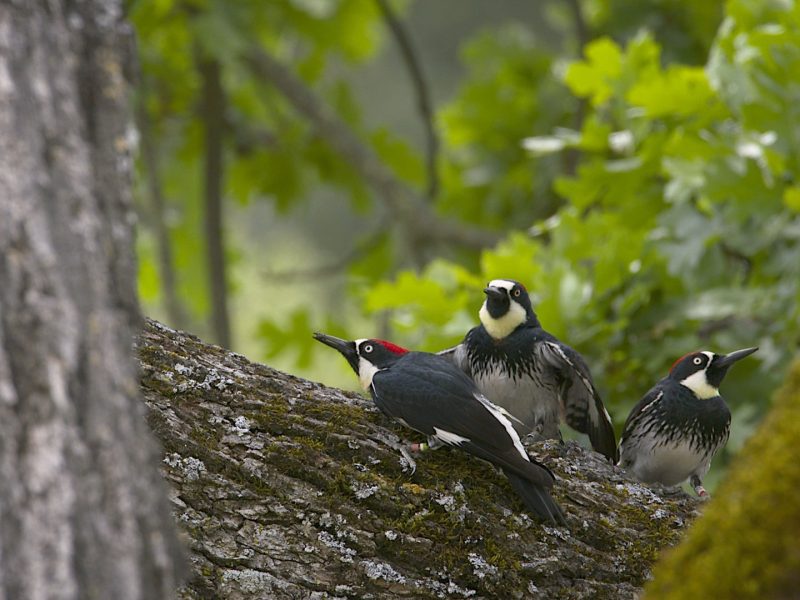
These highly social birds defy the typical two-parent family structure, proving that cooperation can make good evolutionary sense.